Getting Uncle Shrift Working as a Production
The recording, puppet animation and game handoff are starting to work together. More time to direct the show.
It is becoming fun.
The last six months have been hard. There have been plenty of sessions spent wrestling with things that should have been simple: finding the right recording, keeping the voice consistent, getting the puppet to behave, locating the files and explaining to one part of the production what another part had just done.
The persistence is beginning to pay off.
Uncle Shrift’s recording, animation and game handoff are starting to work together. That gives me more time to do the part I want to do: write him, direct him and decide how he performs.
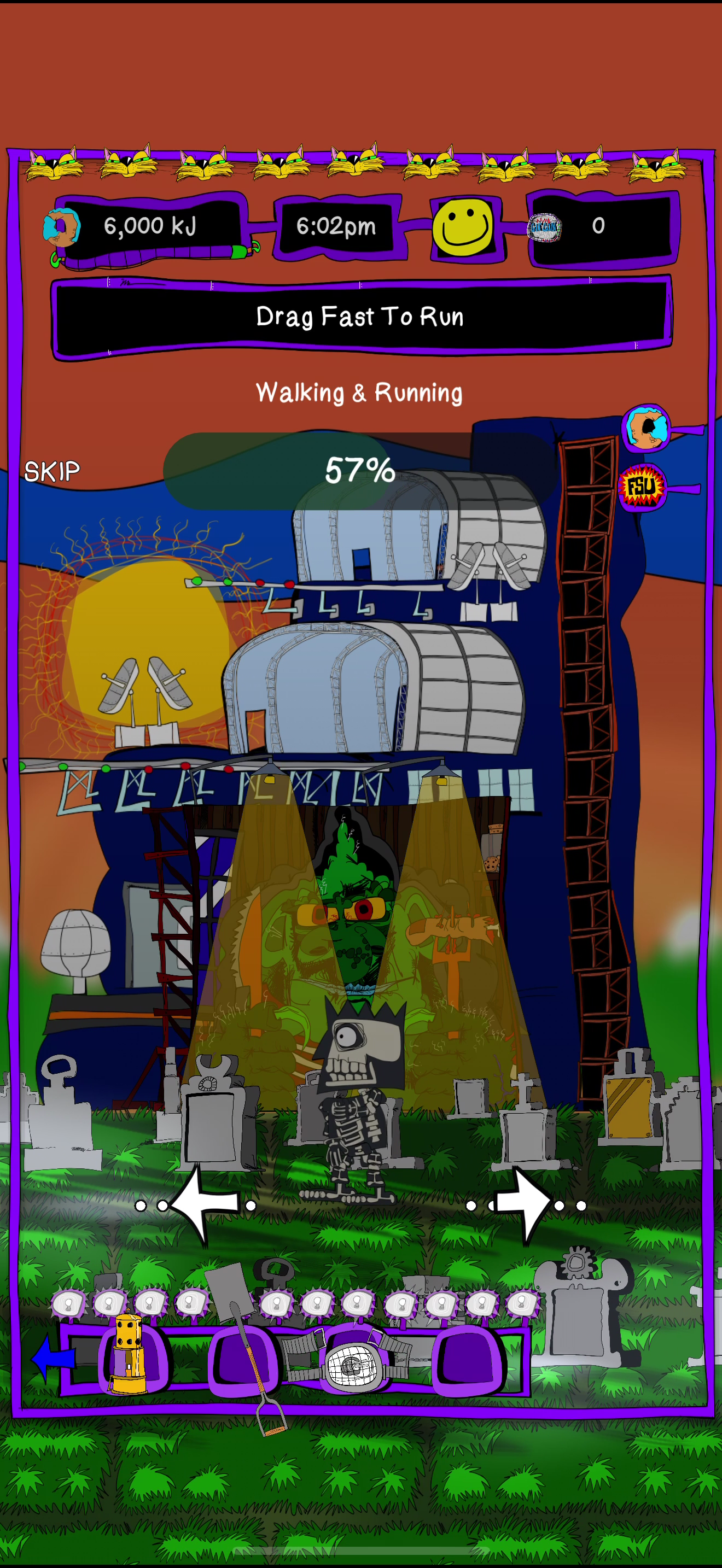
Shrift has to be recognisable every time he opens his mouth. We have established his voice in ElevenLabs, with the Russian accent and a particular rhythm to his delivery. He can be amused, impatient, excited or threatening, but he still needs to sound like the same old bastard running the same graveyard.
We record one line at a time. That helps keep the performance under control and gives us individual pieces to edit, animate and place in the game. Generation 2 is our current selection for each recording.
It also makes corrections manageable. Today, the end of “Nine chances to rob the graves” became an extended hiss. I could identify the problem, ask for that single line again and have the replacement sent directly to the game build. We didn’t have to redo a speech or untangle a long recording to find it.
The treatments have taken some work too. We have experimented with depth and reverb, and I have pulled them back when the voice became too heavy or the effect obscured the delivery. Keeping the original recordings clean gives us room to make those decisions in the edit.
Then there is the puppet.
Shrift starts with my artwork. His face, his hands, his room and the things happening behind him are part of the performance. We have learned that adding more movement does not automatically make him better. The basic elements need to read clearly. The mouth needs to serve the words. A gesture or a background event needs its moment.
For the current game sequence, the speech has been aligned to nine existing mouth shapes. That gives us a practical foundation for lip sync using the recorded performance and the authored puppet. The timing can be checked technically, but I still need to watch him. Does he feel alive? Is the expression right? Does the joke land? Those are directing decisions.
DaVinci Resolve remains part of the process for reviewing performances, shaping the edit and judging how voice, picture and music work together. The game adds another requirement: Shrift must hand control back to the player at the right time.
He is teaching, warning, provoking and occasionally wasting your time on purpose.
The new material makes those connections clearer. His explanation of rotting corpses leads into methane, naked flames and Gushers. Two ghosts fighting over a divorce settlement lead into the husband offering to throw in the kitchen sink—and the player learning to duck.
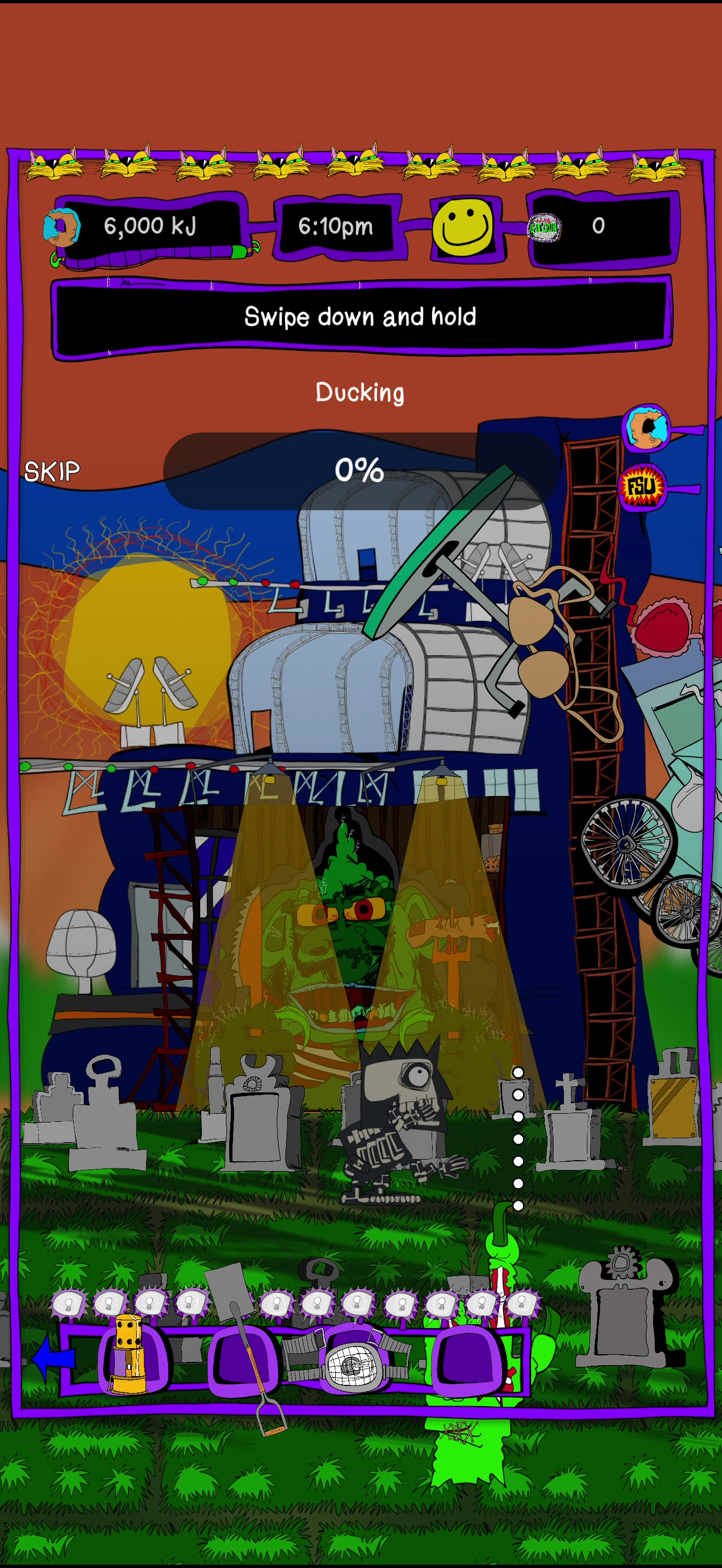
The dialogue, illustration and action have to support one another.
The biggest practical improvement is the handoff. The audio production chat now downloads and names the recordings, checks the files, stores the originals and sends the game-build chat their exact location and purpose. The game-build chat handles their placement, triggers and animation timing, then reports what has actually been integrated and tested.
I no longer need to carry every file and message between them.
The main batch contains 83 separate recordings. Two earlier decay and explosion lines have also been brought into the sequence. Further pickups can now follow the same route, with a clear record of which line they belong to and what they replace.
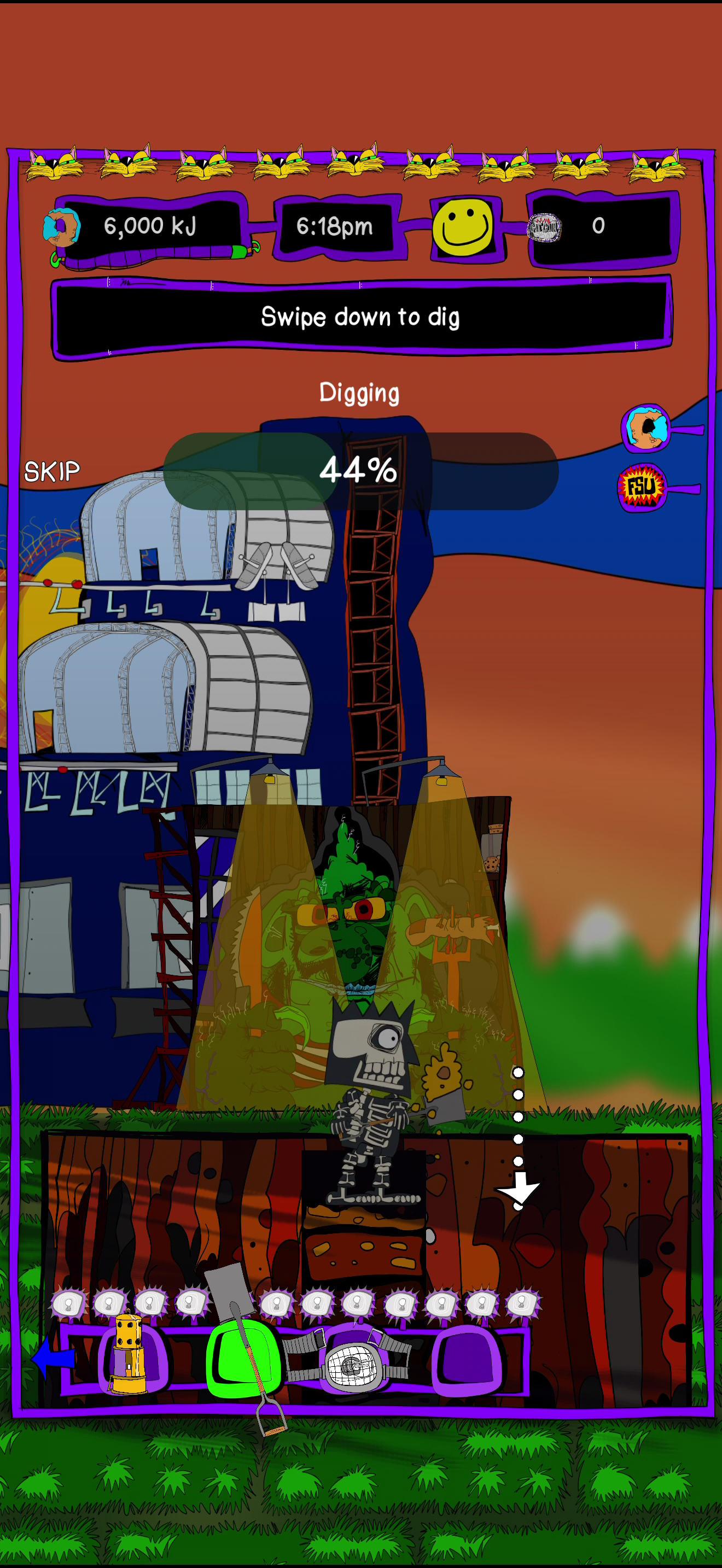
There is still a difference between a recording being downloaded, a line playing in the game and a performance being right. I remain the person listening, watching and making that call.
But the machinery around those decisions is getting better.
We can write another line, record another performance, animate it and get it to the build without starting the whole process again. We have a repeatable way to keep producing Shrift—and to correct him when he gets away from us.
After six months of pushing, the work is beginning to flow.
And I am getting more time to direct the show.