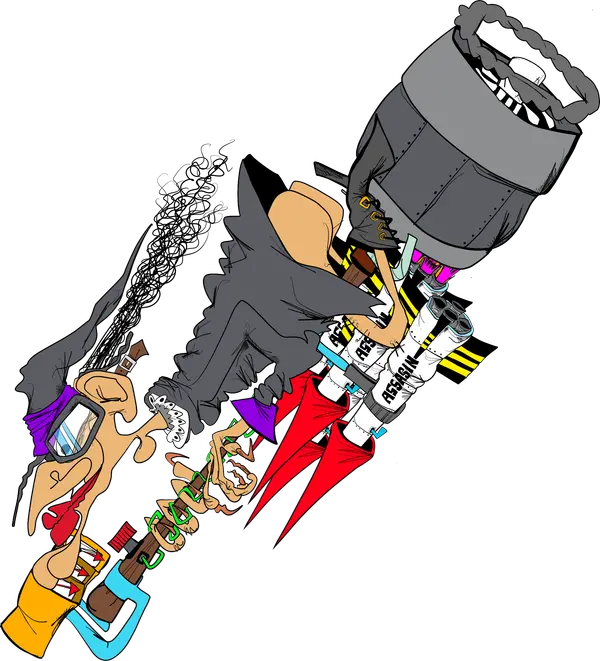

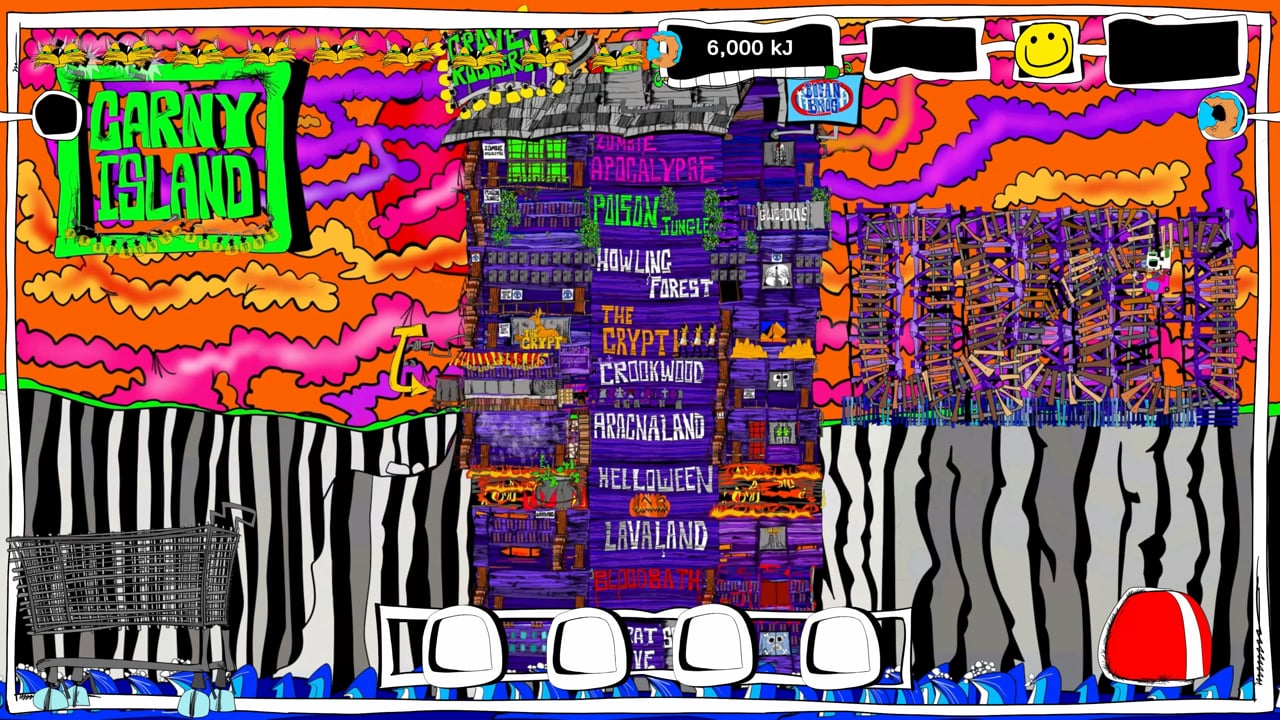
There are over 70 Graveboxes in Crookwood. Nine contain fresh corpses. The balance contain a mix of putrefying, decayed and fossilised remains.
Unity Web Tests
 Unity
UnityInteractive exhibit 03 / Vinnie The Pig — GraveRob Part 3Launch
model
model
V5 playable Alpha browser build / loads after click
Mouse-controlled playable Alpha. Press Escape or use Close to leave the exhibit.
 Unity
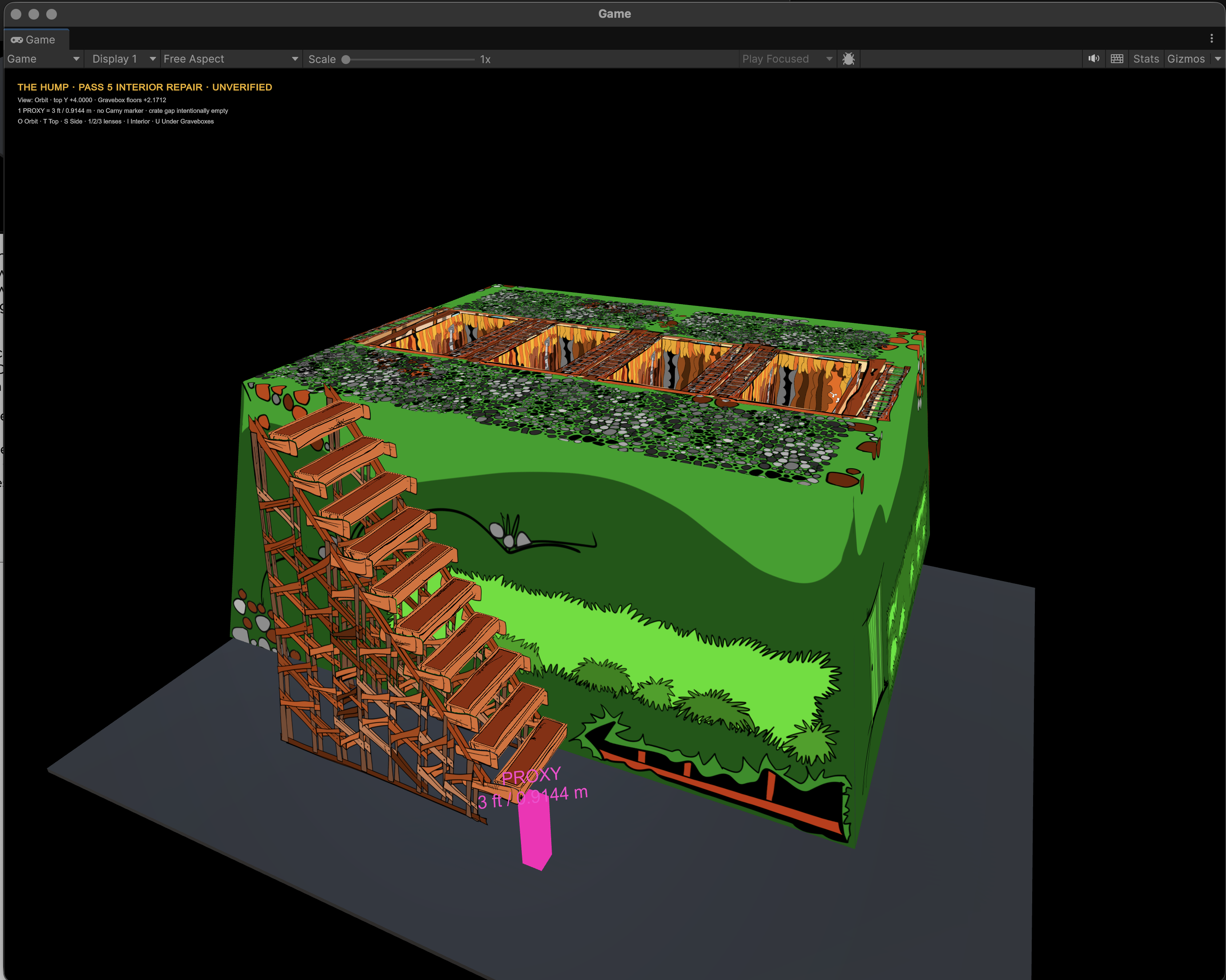
UnityInteractive exhibit 02 / The HumpLaunch
model
model
50.9 MiB browser build / loads after click
Rotate. Zoom. Inspect. Press Escape to leave the exhibit.
 Unity
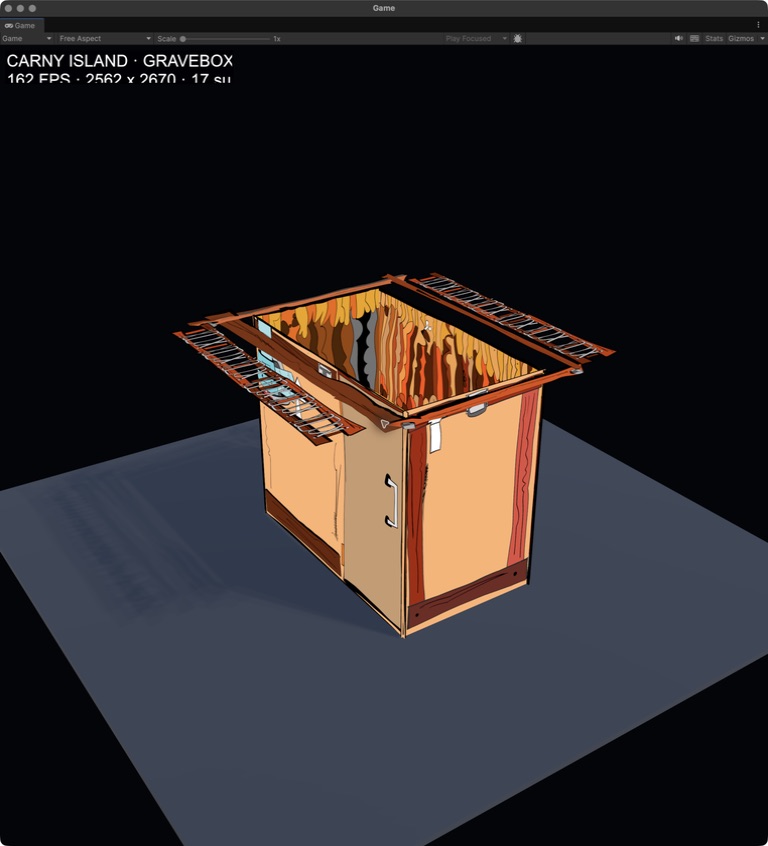
UnityInteractive exhibit 01 / GraveboxLaunch
model
model
71.3 MiB browser build / loads after click
Rotate. Zoom. Inspect. Press Escape to leave the exhibit.
Robbing a grave.
Most of this architecture is buried, but every feature matters because every Gravebox is playable.
The coffin lid is four feet below ground. The Villain removes the grass and substrate layer by layer until the coffin is exposed.
Graveboxes can be volatile. Weather changes the substrate. Tools, Sugar and digging noise change the cost and danger. Crookwood's paths are littered with noise bombs.
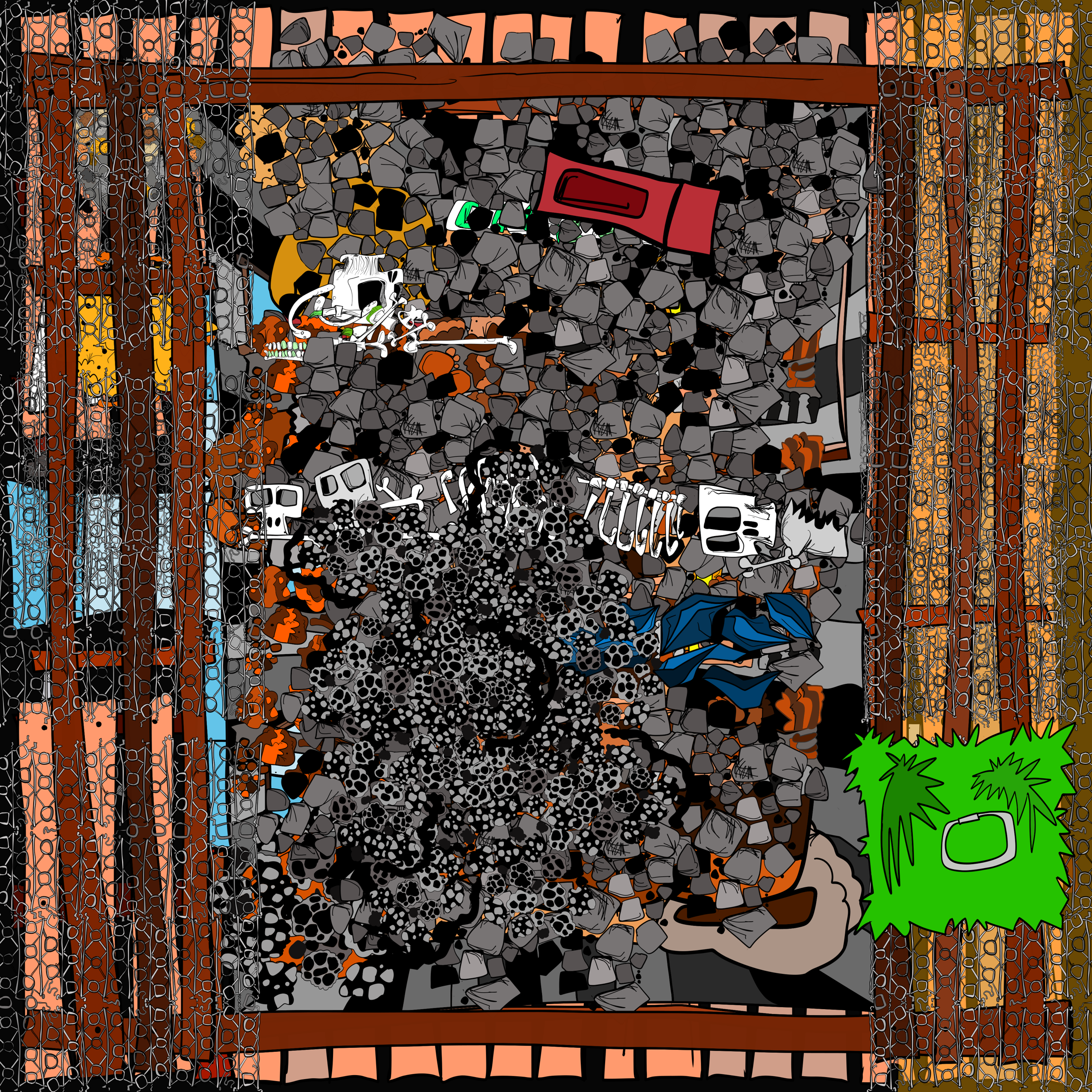
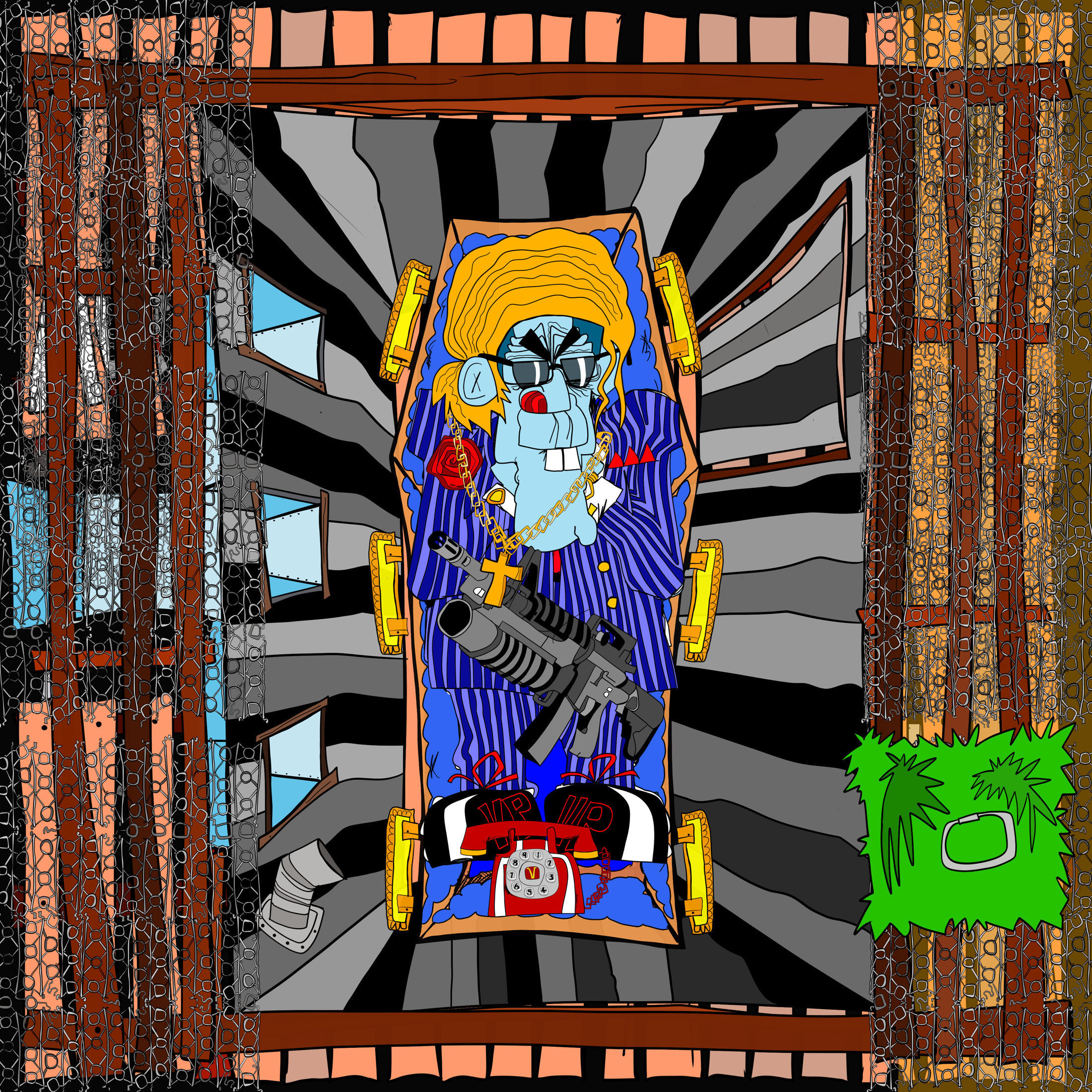
The chaos ladder
The Villain treads on the wrong thing. The frogs stop croaking and the crickets stop chirping. The dogs listen and start scenting. Something is in the yard. Once the Villain gets cut and starts bleeding, blood really sets the food chain off.
The box that turns a grave into a machine.
What it is—and why it matters to Carny Island
The Gravebox is the physical and dramatic heart of Carny Island. Crookwood is an imaginary Brooklyn graveyard built as a theatrical attraction: painted plywood, scenic earth, support frames, pipes and cue machinery openly perform the illusion of a real burial ground. That artifice is not a compromise hidden from the audience. It is the construction language of Carny itself.
Each Gravebox is a 4 ft × 7 ft × 6 ft playable grave. Four thin plywood walls carry eight separate authored faces: raw construction outside and painted Crookwood geology inside. An authored floor closes its base. Four mouth-frame pieces, two Shrift surprise pipes and two wire-support structures complete the open top. The first Gravebox has the permanent identity F02 and is connected to Vinnie The Pig.
The Gravebox and The Villain are Carny Island's central dynamic pair. The Villain is the changing performer; the grave is the changing scene partner. A grave can be approached, deliberately chosen from its foot, awakened, haunted, weathered, excavated, tagged, robbed, attacked, damaged, destroyed, remembered and ultimately restored. Its permanent Grave ID connects its construction, occupant, ghost, story, loot and persistent physical history.
For that reason, the Gravebox is not simply a prop waiting to be placed inside a later game. It is the entire game loop compressed into one playable cell:
- approach and choose the numbered grave;
- release its ghost and story;
- enter the robbery under the current weather and substrate rules;
- select tools, spend energy, make noise and expose the coffin;
- survive Shrift's pipe surprises, witch attacks and other Crookwood threats;
- recover objects, body parts, information and rewards;
- leave damage and optional player tags;
- preserve that changed grave through deaths 1–8;
- restore Carny only when the ninth death ends the game.
Why the WebGL model exists
This browser model is a public, steerable presentation of the first Gravebox. It allows an audience to orbit the construction and inspect Brett Clements' hand-drawn art as a three-dimensional theatrical object without installing the Unity game.
The browser model is a Unity WebGL review representation. Brett's Fresco, PSD and SVG files remain the immutable art masters. The WebGL build uses camera-bounded PNG derivatives with lossless PNG encoding, produced from those masters. Those PNGs are runtime products—not replacements for the authored vector art.
The approved model contains 17 visible PNG surfaces on 34 presentation triangles. Sixteen unique authored images and meshes are shared rather than duplicated for every future Gravebox. The visible material is deliberately unlit so the original colours remain intact. A separate alpha-cutout shadow pass lets the wire support cast an open, wire-shaped shadow instead of a solid rectangular block.
The problems we encountered
1. The wrong scene could look like a successful build
An early clean build opened Unity's backup/default scene rather than the generated Gravebox scene. The build logs were healthy, but Brett saw an empty sky and ground. This established an essential Carny rule: hashes, compiles and receipts never override the live pixels. The exact scene must be opened and left visibly orbitable.
2. Dense live vector geometry was too expensive
The original inspection model tessellated Brett's SVG paths into millions of vertices. One Gravebox could look beautiful, but multiplying it through the basement made camera movement clunky. Camera motion must never force the game to reparse or repaint every grave.
3. A browser cannot use the desktop SVG renderer
The desktop model relied on a native SVG renderer that is not a WebGL runtime. The first browser checkpoint could start, yet its vector surfaces were dark or incomplete. The failure was architectural, not cosmetic: a native desktop library cannot simply be wished into a browser build.
4. Raster conversion initially altered the art
Early PNG tests showed softness, jagged IDs, colour wash and a milky veil. Lighting and reflective materials changed the authored colours. Some views also revealed alpha fringes and breakup at component boundaries. A performance gain that damages Brett's linework is a failure, regardless of its frame rate.
5. The old wire/chicken-wire construction caused visual and rendering problems
The retired chicken-wire implementation contributed transparent overdraw and presentation failures. Gravebox V2 replaced it with the complete approved wire-support artwork. That support still needed to look open and delicate while casting a meaningful shadow.
6. The shadow was alternately too hard or too faint
A single hard directional shadow preserved the silhouette but looked cut out with a razor edge. An equal-weight soft-sample experiment softened the whole shadow and made it disappear into the grey floor. Another Unity-specific trap made the box appear completely white whenever Play mode stopped: textures were being supplied through runtime material-property blocks, while the shared Edit-mode material had no saved texture.
7. Extreme inspection revealed a local join artefact
At very close zoom, one overlapping corner shows short fringe lines and a jagged seam. The current evidence points to depth competition between intersecting presentation planes, with alpha and mip filtering affecting the fringe. It is not general resolution failure and does not corrupt the art. It remains an openly recorded inspection item rather than being hidden or papered over.
How we solved the problems
A clean, source-locked assembly
The Gravebox was rebuilt from a provider-neutral construction lock and 16 byte-identified SVG authorities. The deleted first implementation was not used. The dimensions, axes, eight wall faces, floor, mouth pieces, pipes, support placement and registration were expressed as a reproducible contract. Source hash mismatches fail the process immediately.
A camera-bounded PNG pipeline
Each approved SVG is rendered offline into a lossless, transparent PNG large enough for the maximum intended 4K on-screen presentation plus safety margin. The source folder structure, hashes, dimensions, colour handling, alpha, placement mesh and recipe version are recorded. The SVG remains the authority; the PNG is a deterministic runtime derivative.
This changed the Gravebox from millions of tessellated vertices to 17 textured surfaces and 34 triangles while preserving the hand-drawn line at the approved game magnification. The result is dramatically easier to steer. Its final WebGL suitability is accepted only after the packaged browser build passes the same visual comparison.
Source-colour presentation
The visible Gravebox shader is unlit. It does not add reflection, whitening or environmental colour to Brett's authored pixels. A controlled day/night grade can be introduced separately by the game, but the base art stays readable and recognisably Brett's.
An independent alpha-cutout shadow
Shadow casting is separated from visible colour. The shadow caster reads the PNG alpha, so the wire produces individual bars and gaps rather than a solid slab. The final approved inspection shadow uses a dominant centre sample with four narrow feather samples. This gives the floor a dark core and softens only the perimeter:
- centre intensity:
0.88; - four offset intensities:
0.055each; - total light intensity:
1.10; - Soft shadow strength:
0.85; - feather spread: approximately
1.25°.
Brett's visual ruling on that presentation was: “Much better; that's great.”
Shared assets and sleeping graves
Future Graveboxes will share the same immutable textures, meshes and materials; they will not create 70 independent copies of the art. Grave-specific state is keyed by permanent Grave ID. Graves outside the active encounter can sleep their expensive simulation without flattening or repainting the visible art.
Fail-closed visual review
Every major correction is judged in a live, orbitable build. White art, missing surfaces, closed-up wire gaps, milky colour, false shadows or altered authored pixels are automatic failures. Mechanical receipts support the decision; they do not make it. Brett's visible ruling remains the terminal authority.
Where we are now
We have finished a Gravebox that I have approved. This is our first model. Visitors can drive it in 3D, then read what it is, what it does, how hard it was to build and how we built it.
— Brett Clements