
File 01 / The Game
Carny
Island
A hand-drawn comic horror video game for PC, iPad, mobile and tabletop where you rob graves for body parts and loot, to build your own little Frankenstein before Uncle Shrift eats you alive.
“You are The Villain. Rob Crookwood's graves for body parts and loot to build your own little Frankenstein while Uncle Shrift tries to kill you. Game 1 launches as a solo PC/Steam game; multiplayer comes later.”
The planned release sequence
PC/Steam first.
Planned sequence: Game 1 launches solo on PC/Steam, with multiplayer added later. Next comes solo iPad, then a Mobile/Tabletop party game intended for 4–14 players. Tabletop players take turns and also play in between turns.
In development. Current labs and tests are not the finished game.
V1 / Crookwood is closed
One Crookwood night.
From sunset to sunrise, while Crookwood is closed.
Grave robbing for body parts and loot. Funeral raids and access to Crookwood's facilities belong to later releases.
He who dies with the most toys, wins.
Earlier production/demo timing notes
Earlier production/demo specification, preserved for context. These timings and escape-countdown details are not a V1 duration or release promise.
The approach tunnel is dark and untimed. Crossing into the Yard begins a 24-minute staged journey from sunset through twilight, night, first light and sunrise.
A grave rob takes approximately 12 minutes. A real 6 × 4 × 7-foot grave would take hours to excavate by hand; Carny compresses that labour for play without pretending the result is exact science. The figure remains open to playtest tuning.
Sunrise begins an additional escape countdown of X. Reach the platform and tunnel safety threshold before it expires or lose another life.
The demo contains three Crookwood nights—approximately 72 minutes before night three’s escape countdown—and ends on night three’s curtain. This replaces the former 6-, 12- and 24-minute full-day choices.
The proposition
ROB. BUILD. SURVIVE.
From Nightmare creator Brett Clements comes Carny Island — a hand-drawn comic horror game of grave robbing, body parts and loot. Build your own little Frankenstein before Uncle Shrift eats you alive. Solo PC/Steam comes first.
Comic 2D schlock horror: irreverent, grotesque and darkly funny, but governed by consistent systems rather than randomness.
Carny Island makes death, danger and decay playable. Its humour can be grotesque and its theatre excessive, but the world must remain legible, cumulative and internally consistent.
The sections below describe the wider authored game design, not a list of finished V1 systems.
The central act / 3 pictures
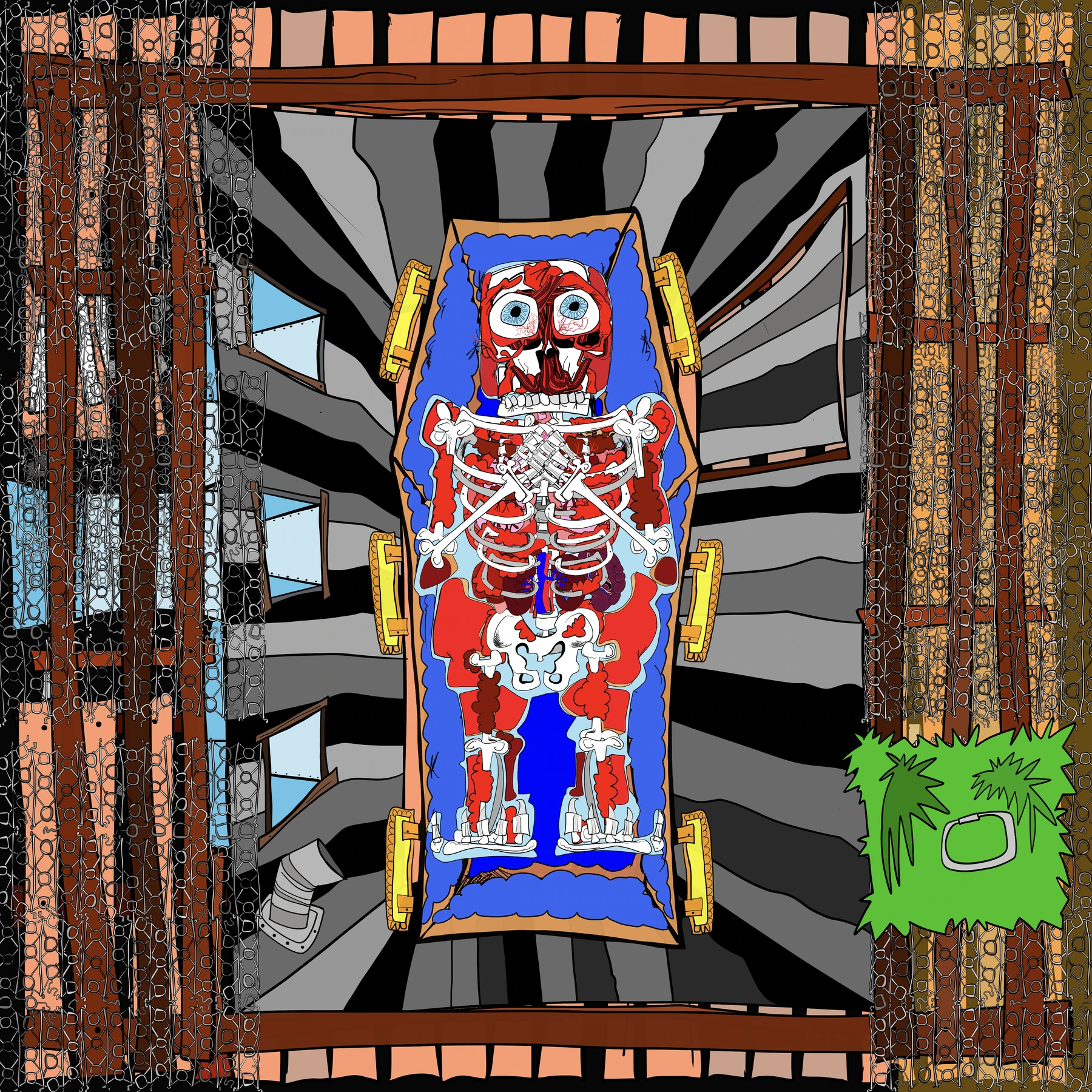
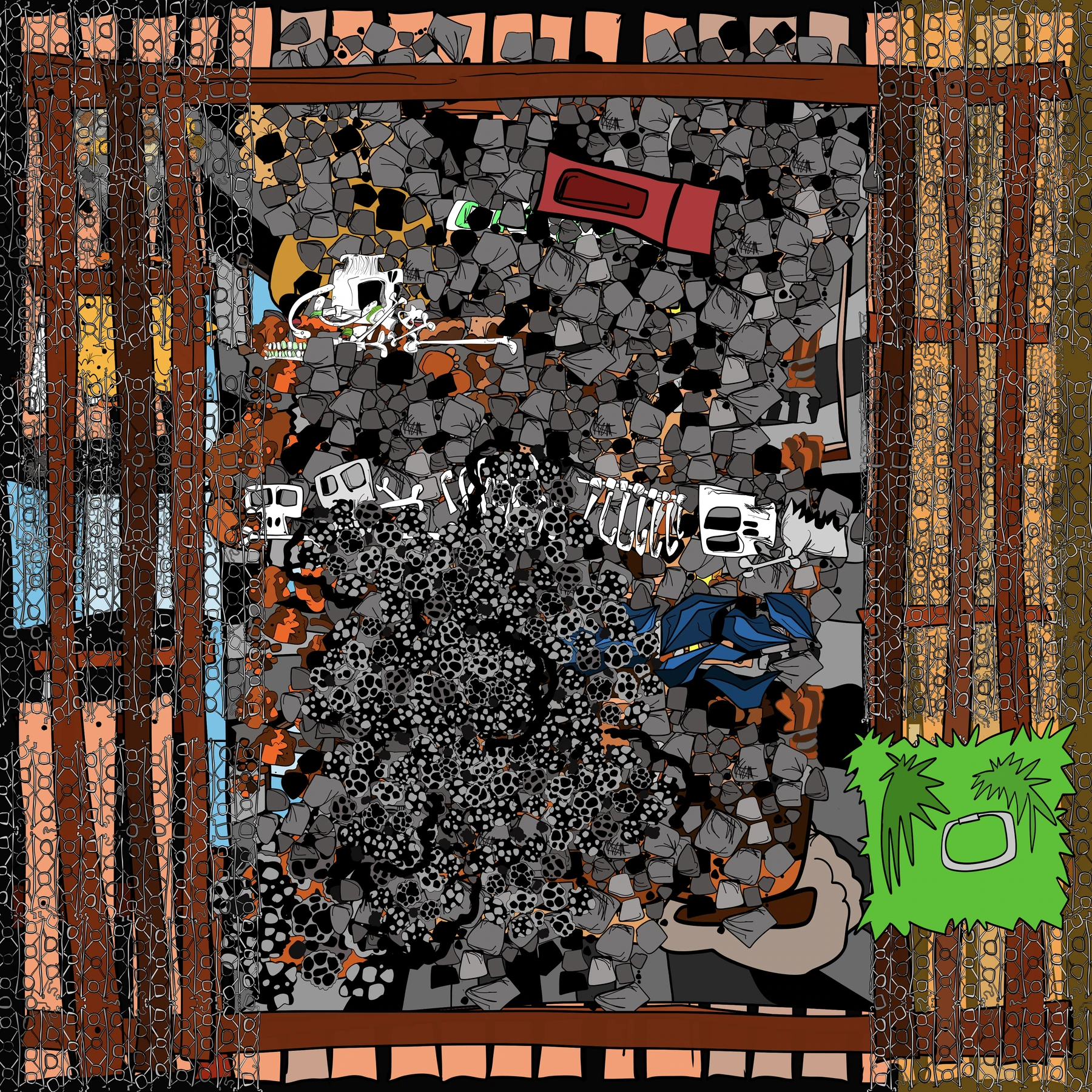
The grave is a machine you dismantle.
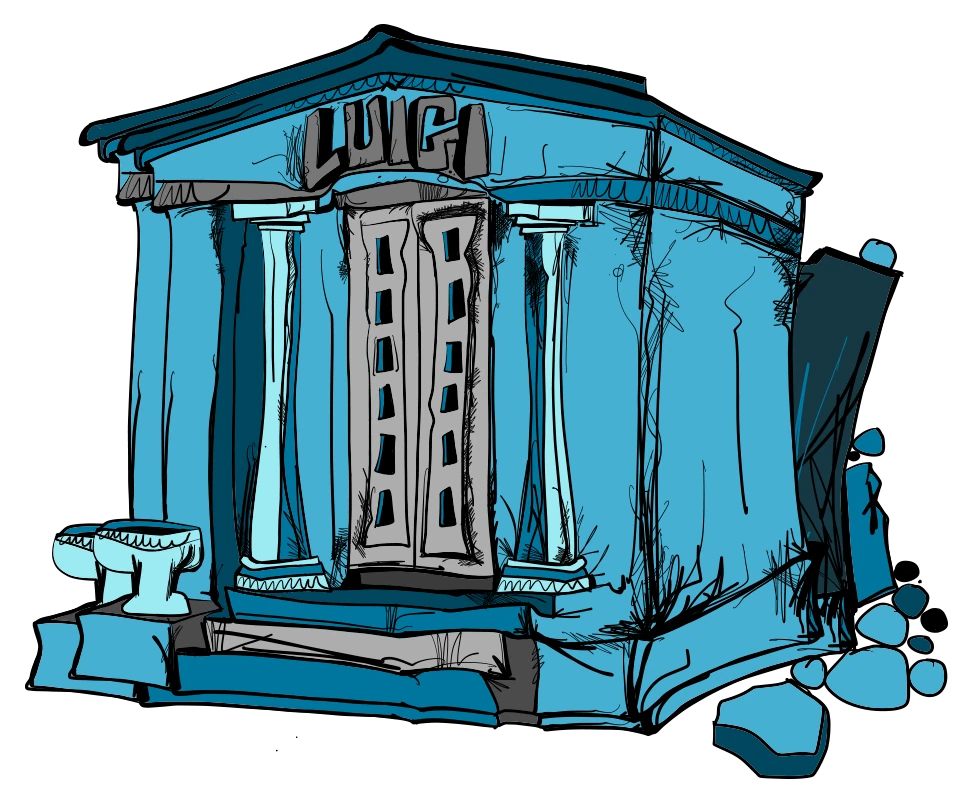
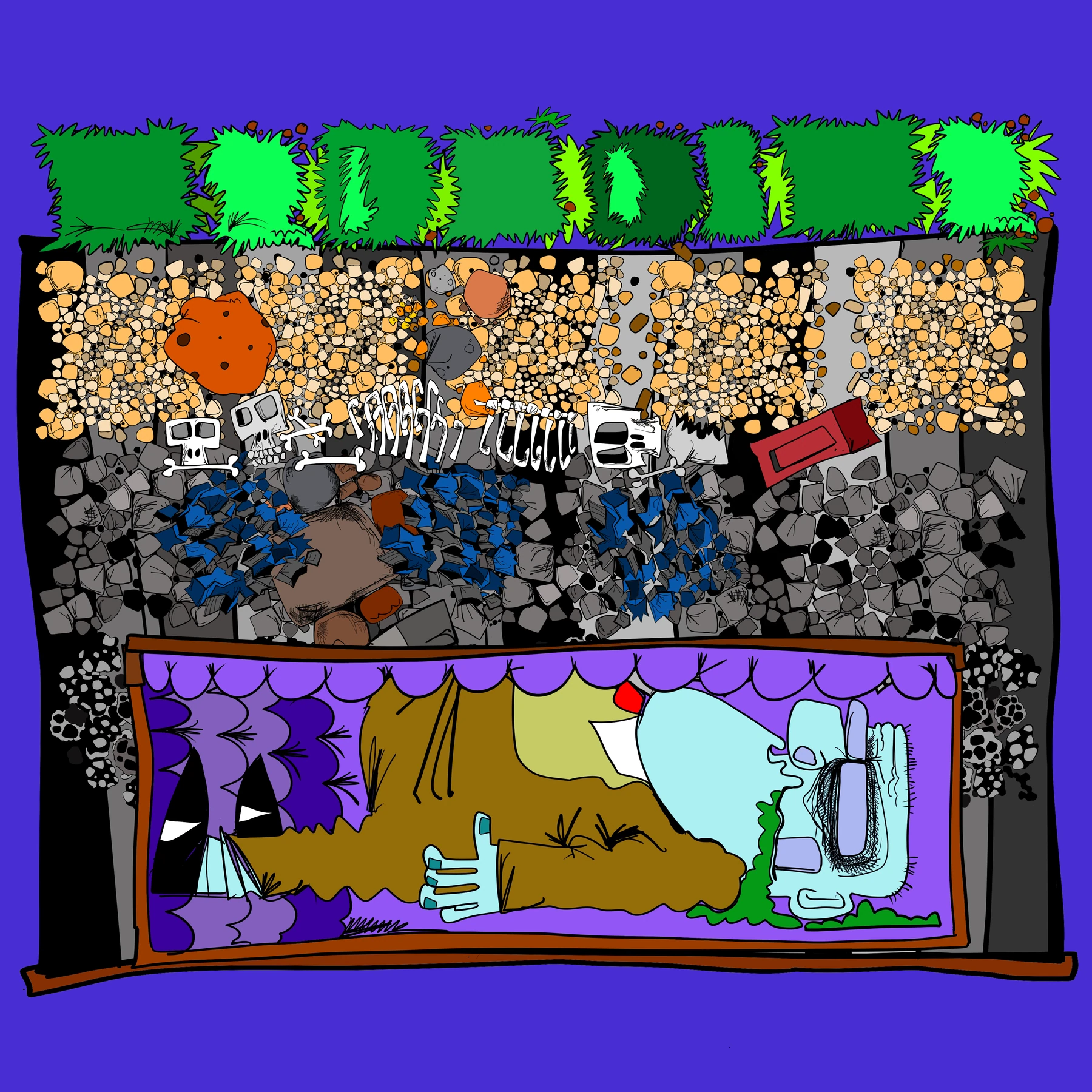
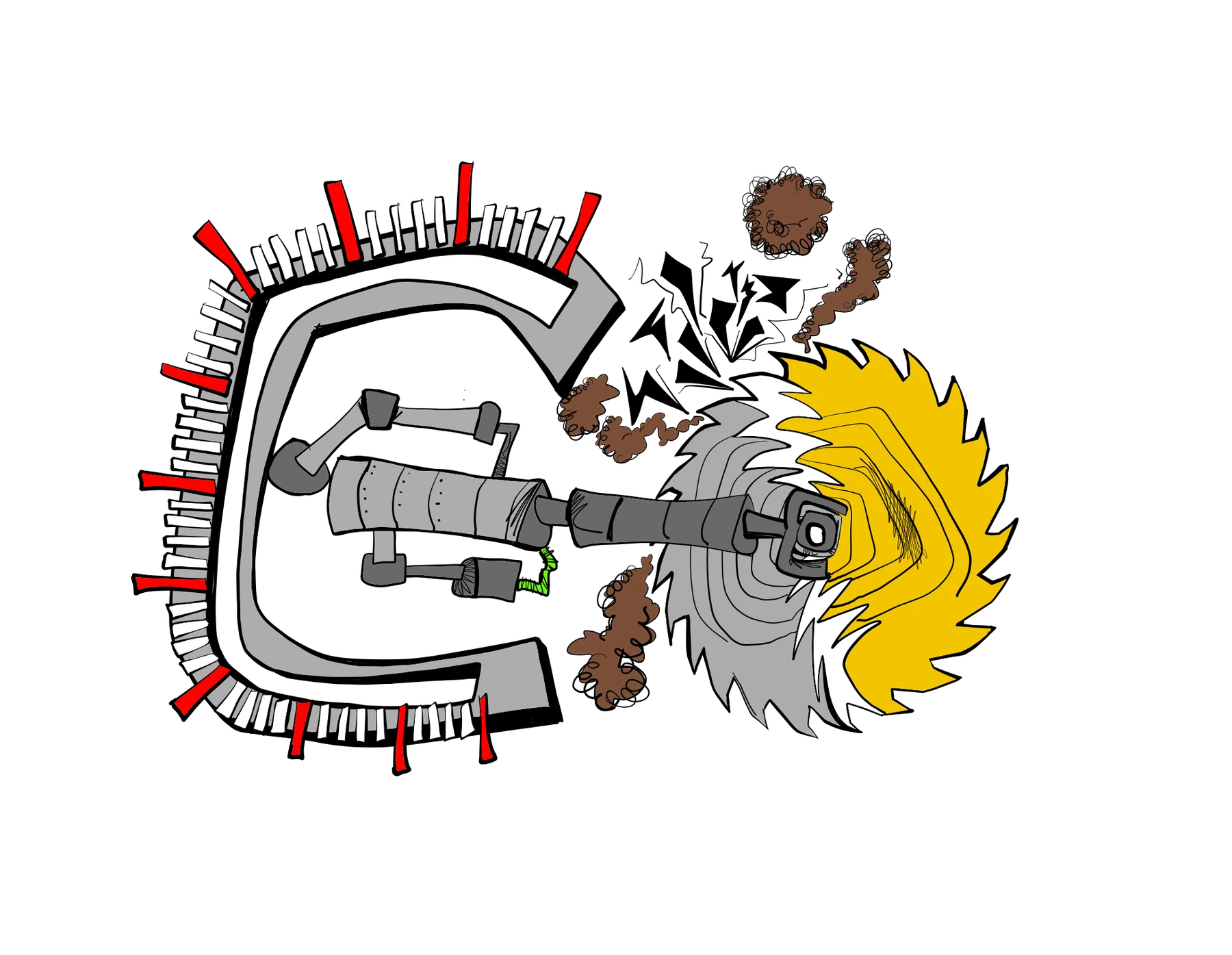
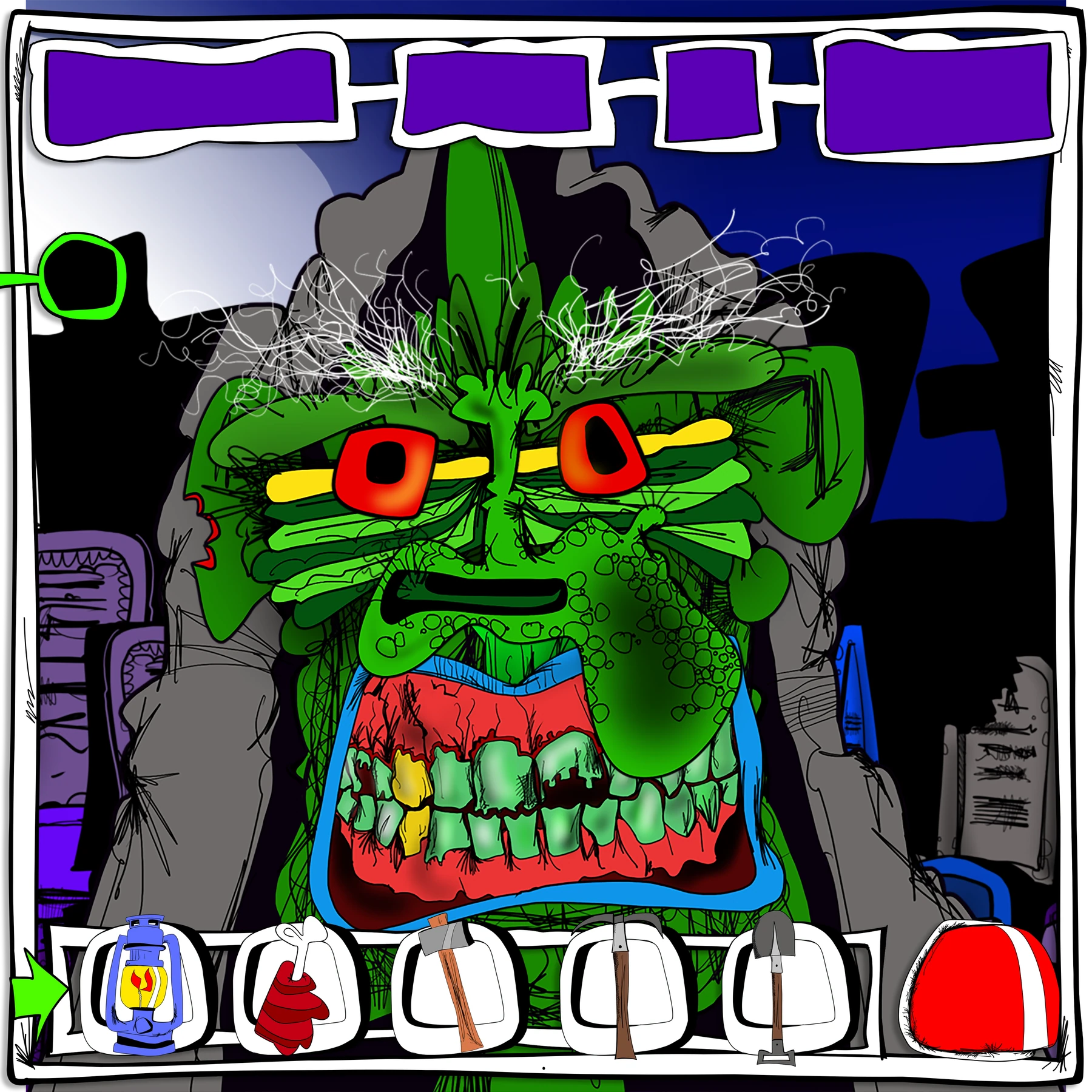
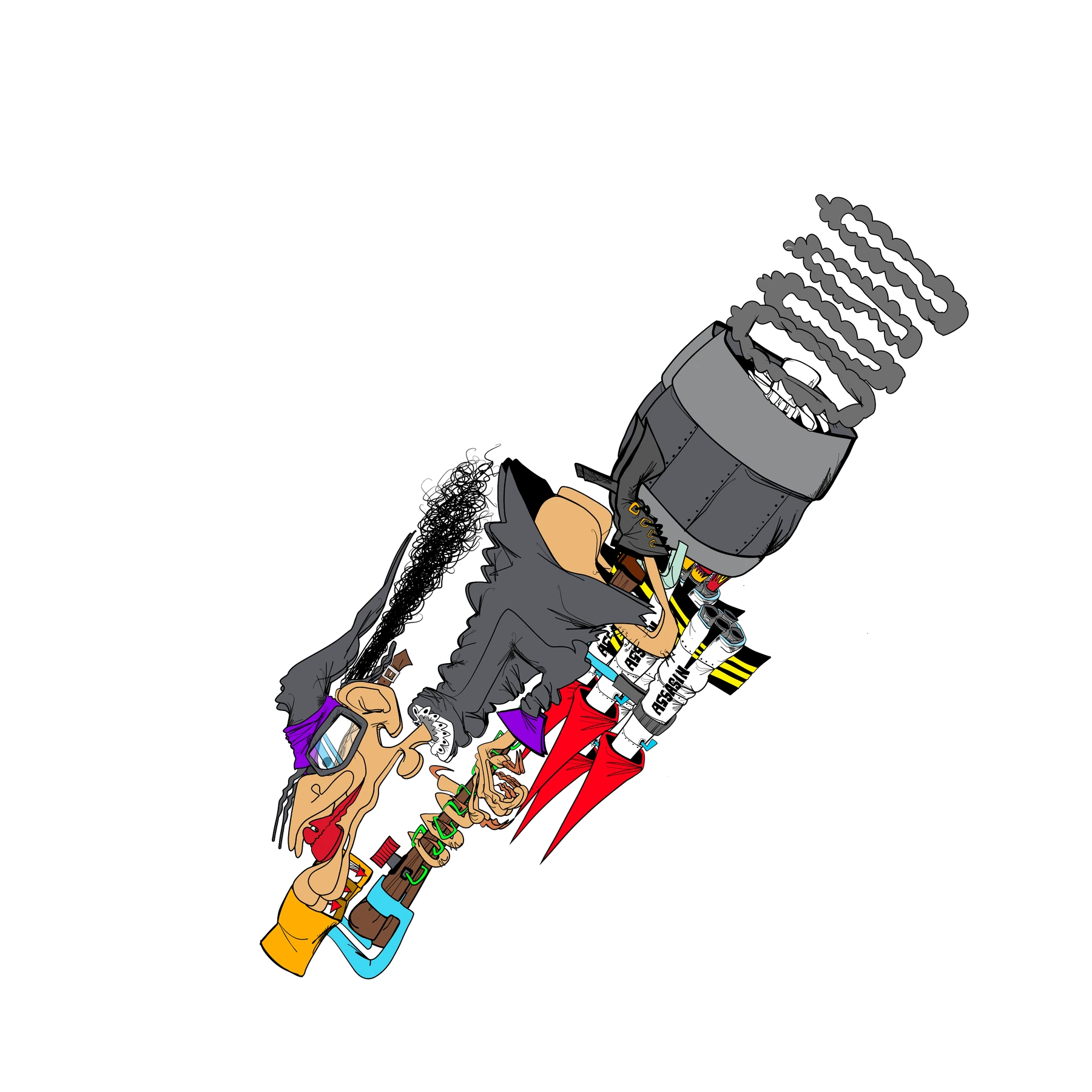
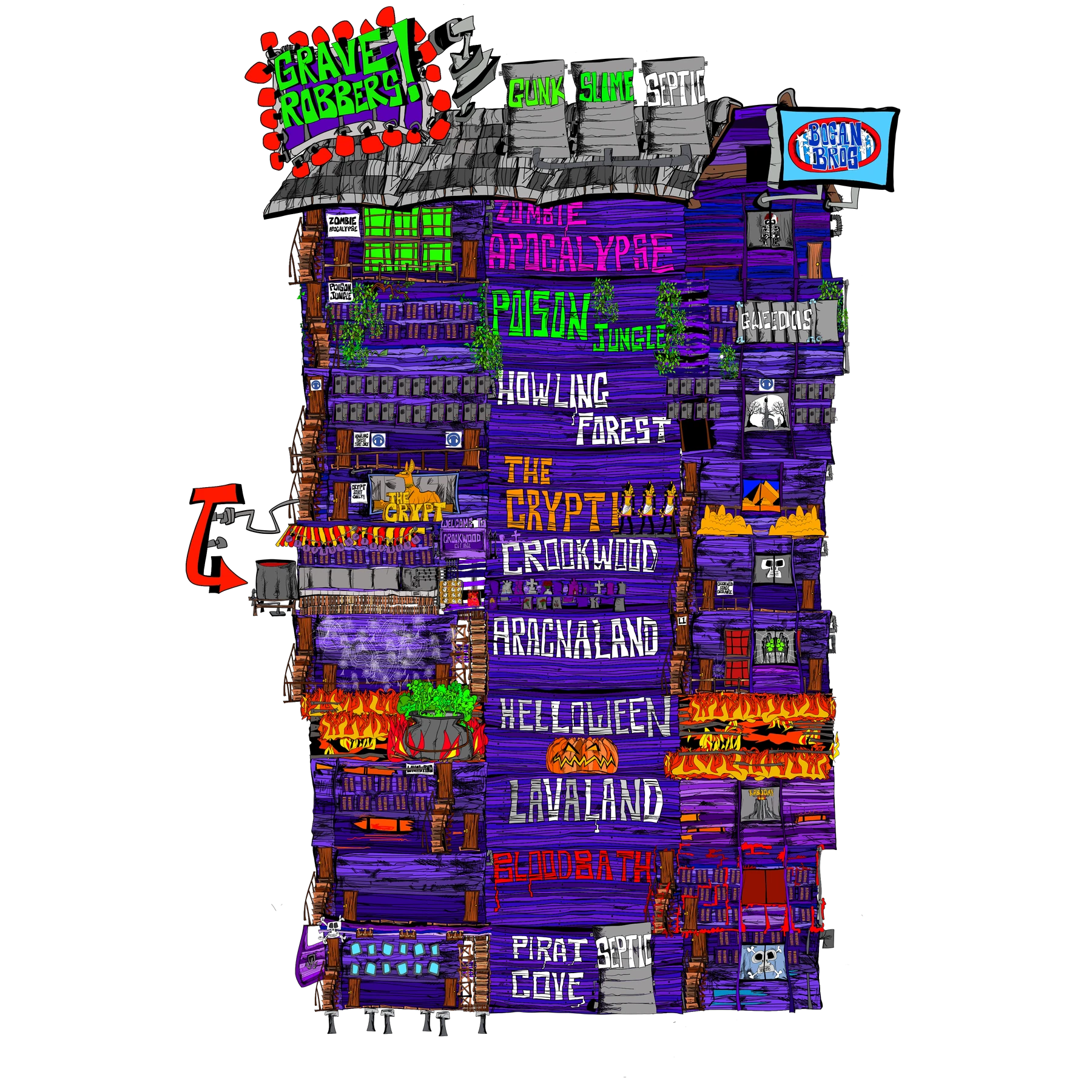
These drawings are not decoration. They map the player's route from a disguised surface, through the Gravebox and its spoil, to the Deaden below.
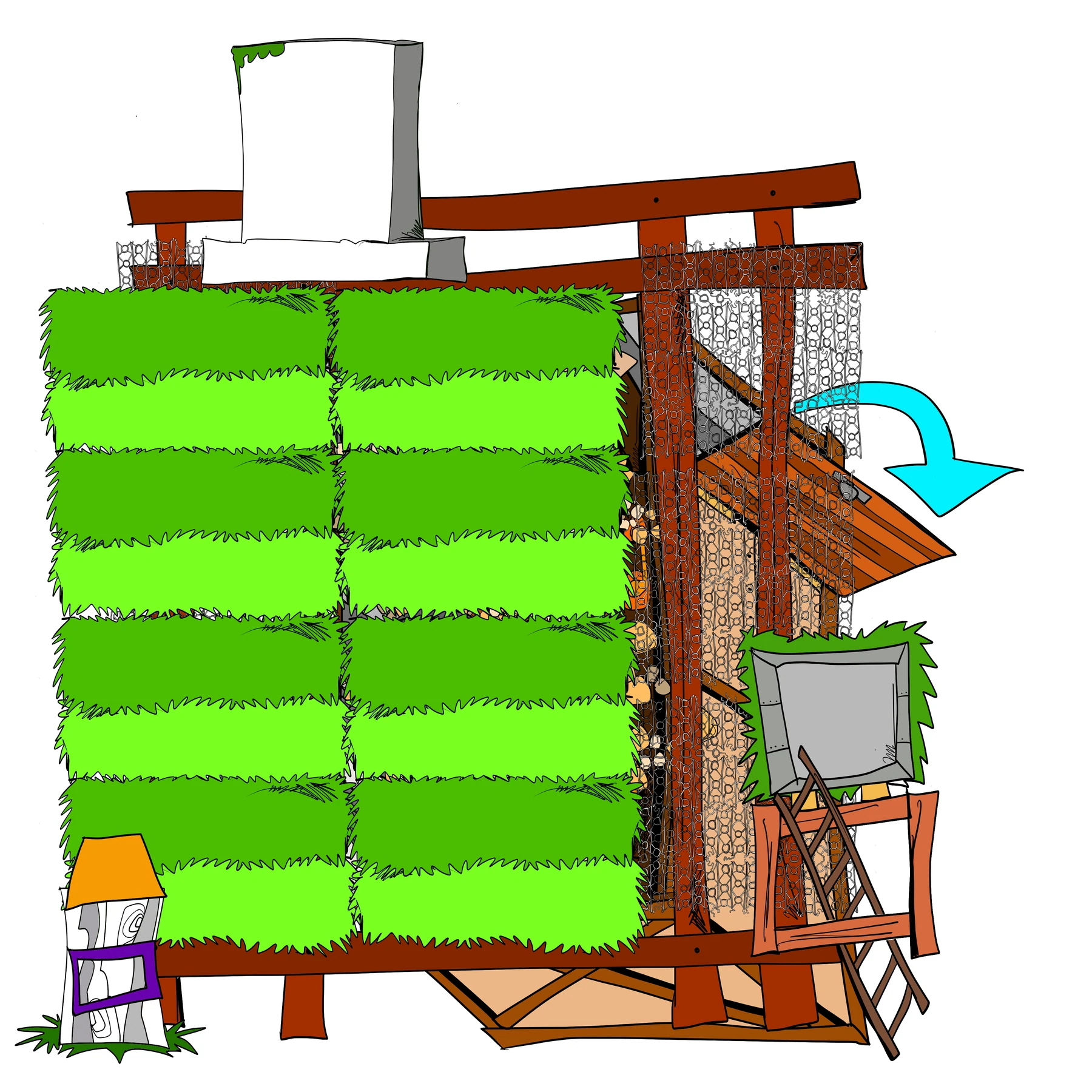
The turf and cemetery surface conceal a constructed Gravebox beneath.
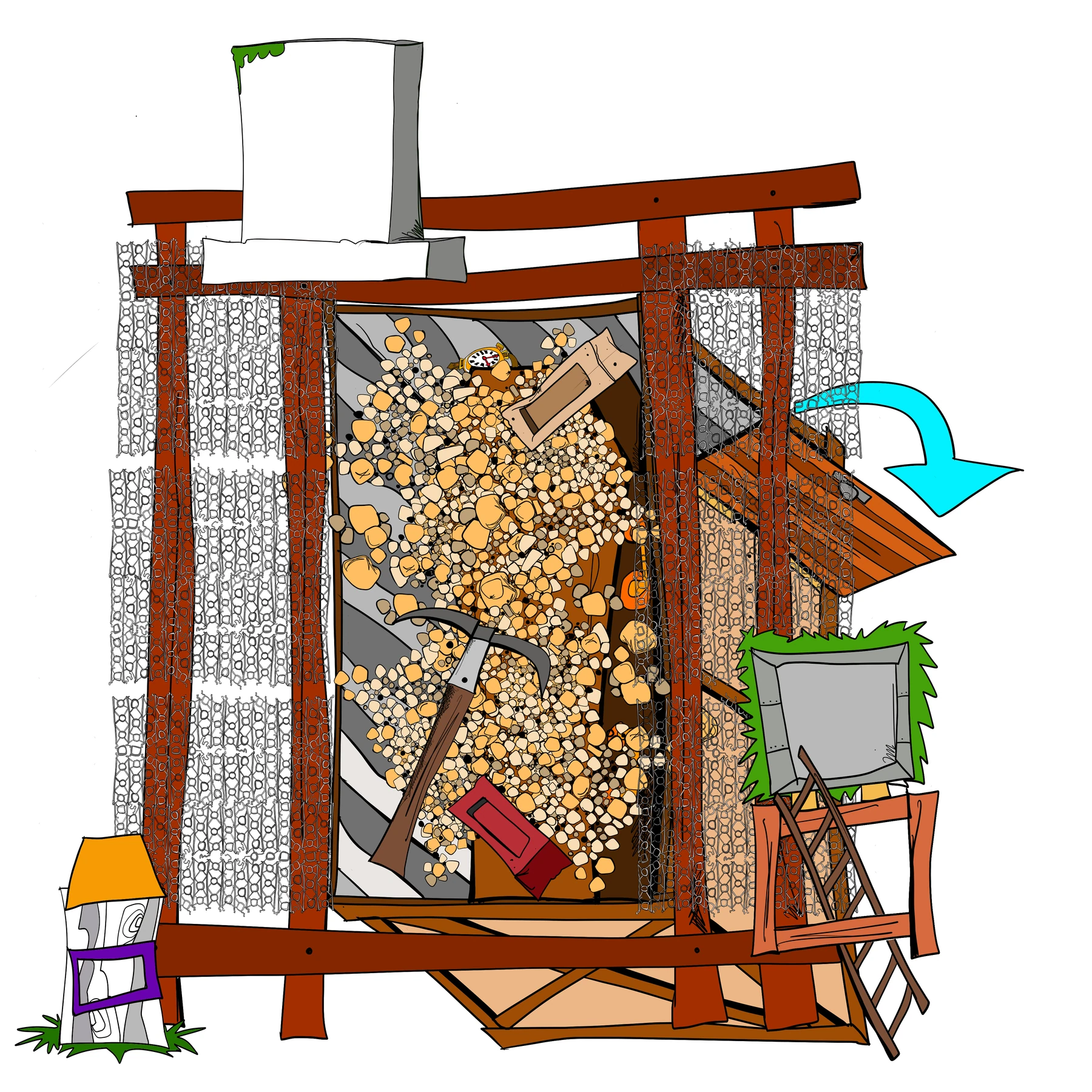
The grave becomes a vertical obstacle course of fill, debris, tools and bad decisions.
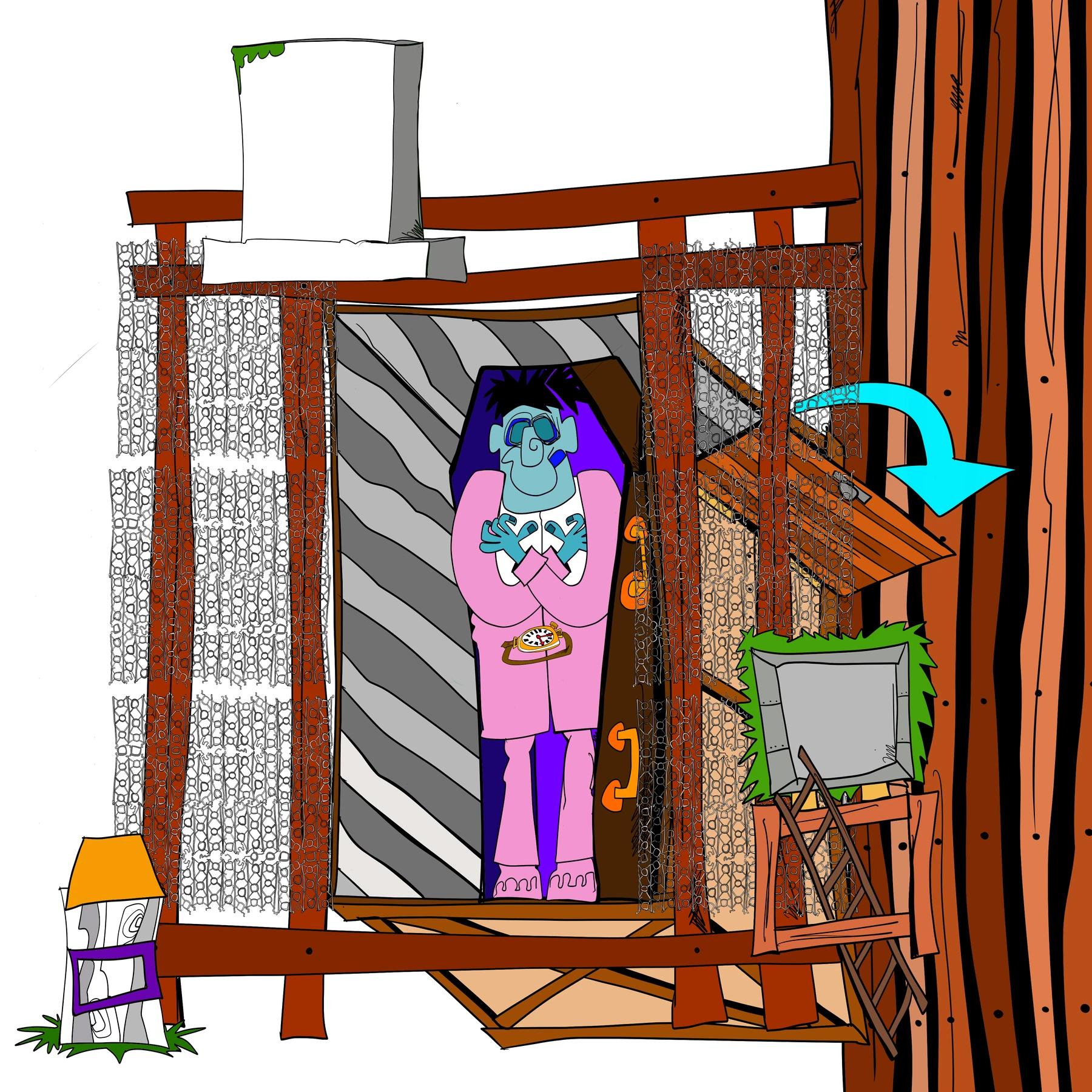
The corpse is the destination—and the beginning of its life story, loot and consequences.
Pilot Deaden / Vinnie the Pig
A corpse with a biography.
Before Vinnie was code, he proved that robbing a grave could open a life.
Every key deaden beneath a blue headstone has a life story. As a grave is robbed, animated flashbacks turn Vinnie the Pig, Cybil Munt, Marley the Bobster, The Claw and others into episodes inside the larger game.
His route connects public news, ridiculous death, the coffin and mausoleum, the Gravebox, the robbery and whatever the player chooses to make from what remains.


The entertainment machine
Beyond point and shoot.
Carny Island is not a point-and-shoot game. It explores the operating ideas of traditional entertainment genres and fuses them into a single playable performance.
The suspense and revelation of cinema
The shared ritual and physical geography of the later Mobile/Tabletop party game
The direct address and audience control of television hosting
The running commentary and tribal energy of live sport
The archetypes of gangster films, slashers, funerals, cartoons and rock performance
The responsiveness, private viewpoint and weapon logic of the later mobile format
Every key deaden beneath a blue headstone has a life story. As a grave is robbed, animated flashbacks turn Vinnie the Pig, Cybil Munt, Marley the Bobster, The Claw and others into episodes inside the larger game.
In the later Mobile/Tabletop party game, the board locates the body, the phone opens the scene, the film supplies memory and performance, the rules turn it into consequence, and the players complete the show together. Game 1 begins as solo PC/Steam.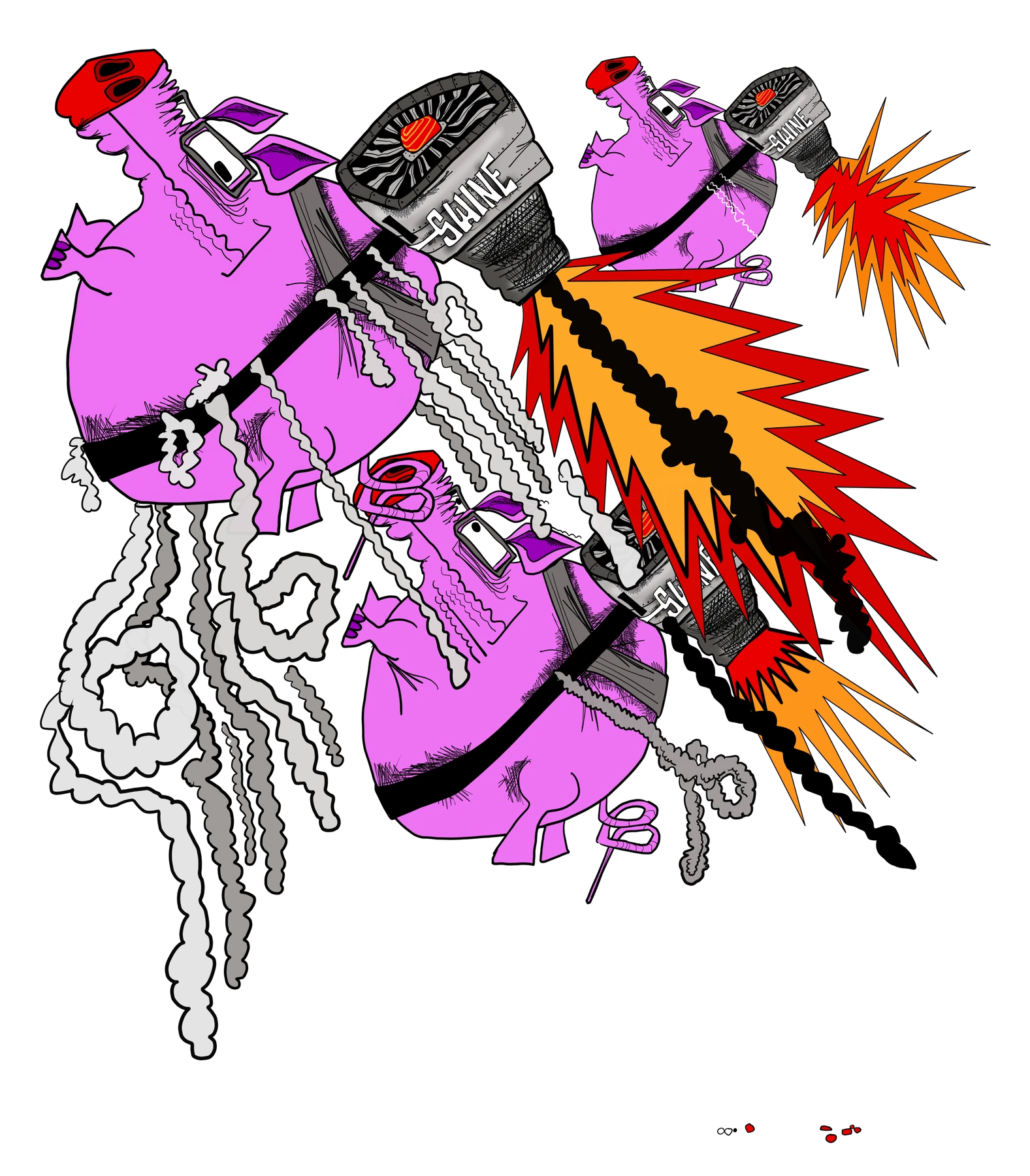
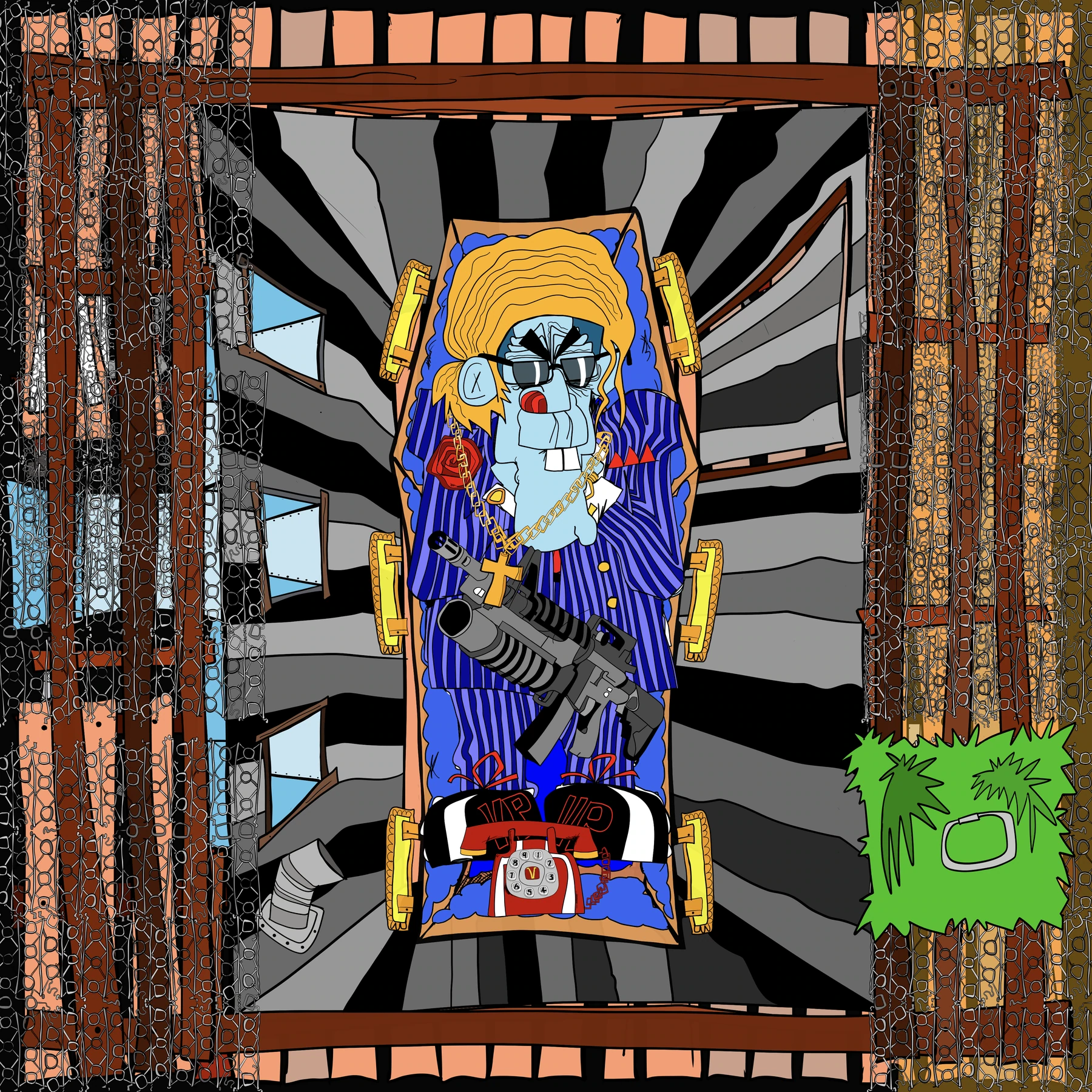
The pictures think first
The game was played in art before it was coded.

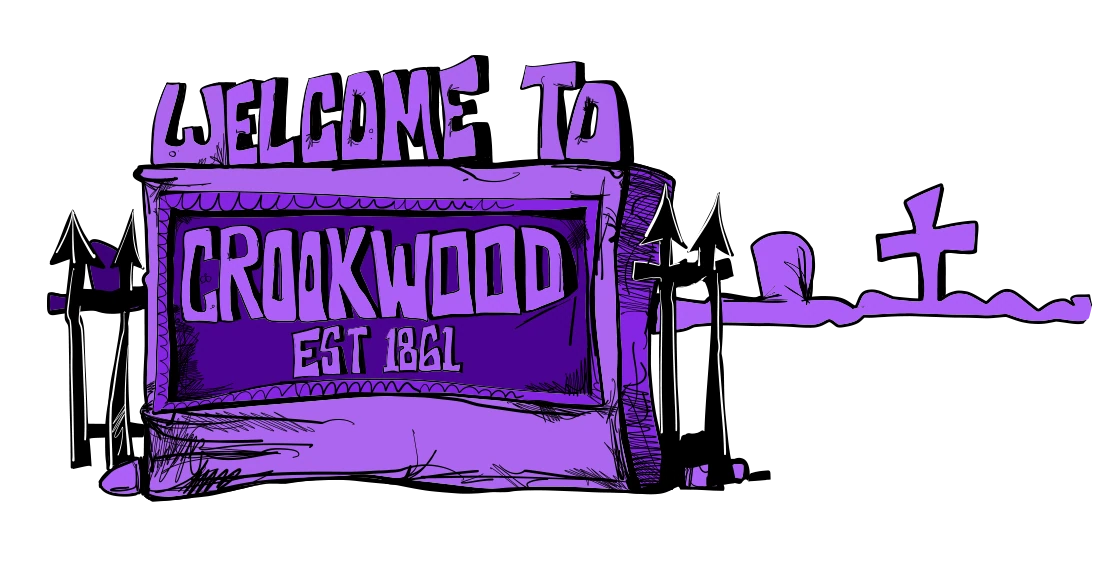
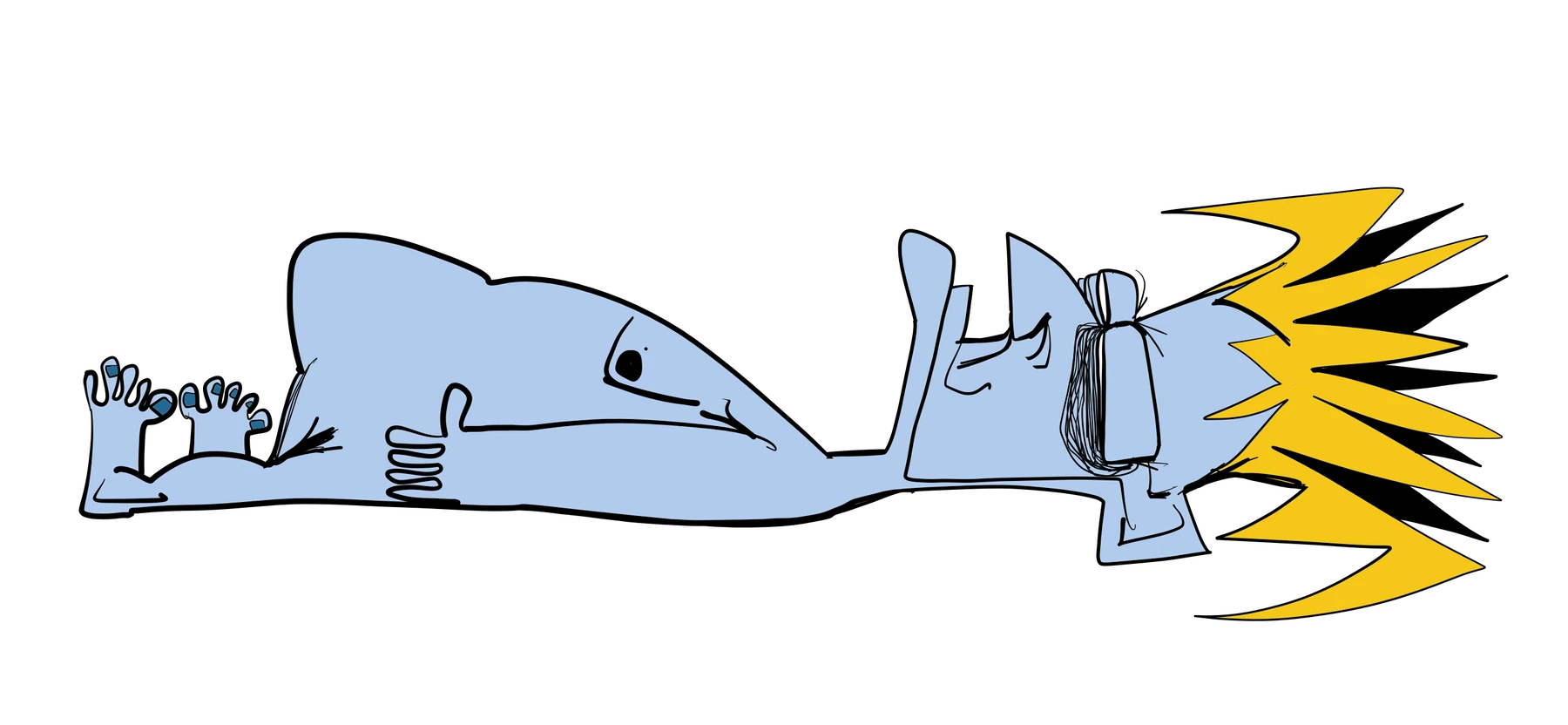
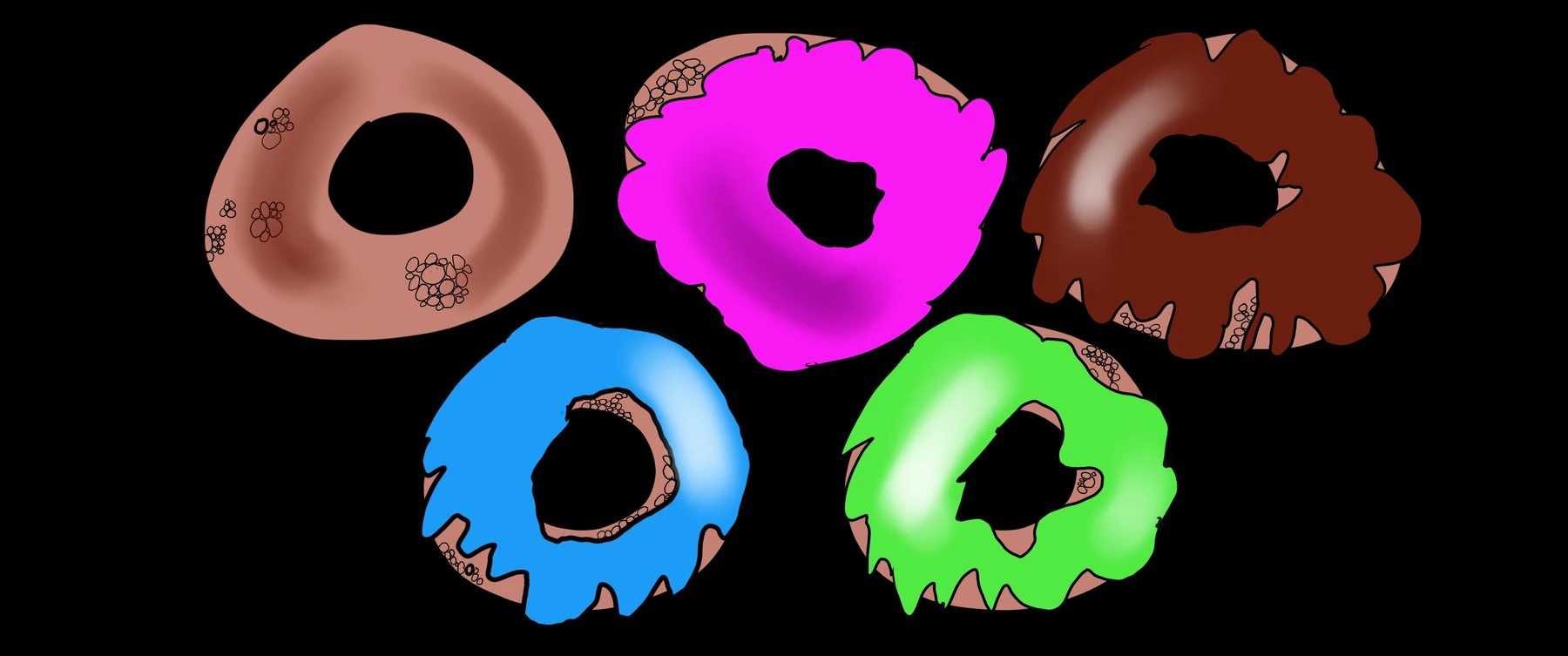
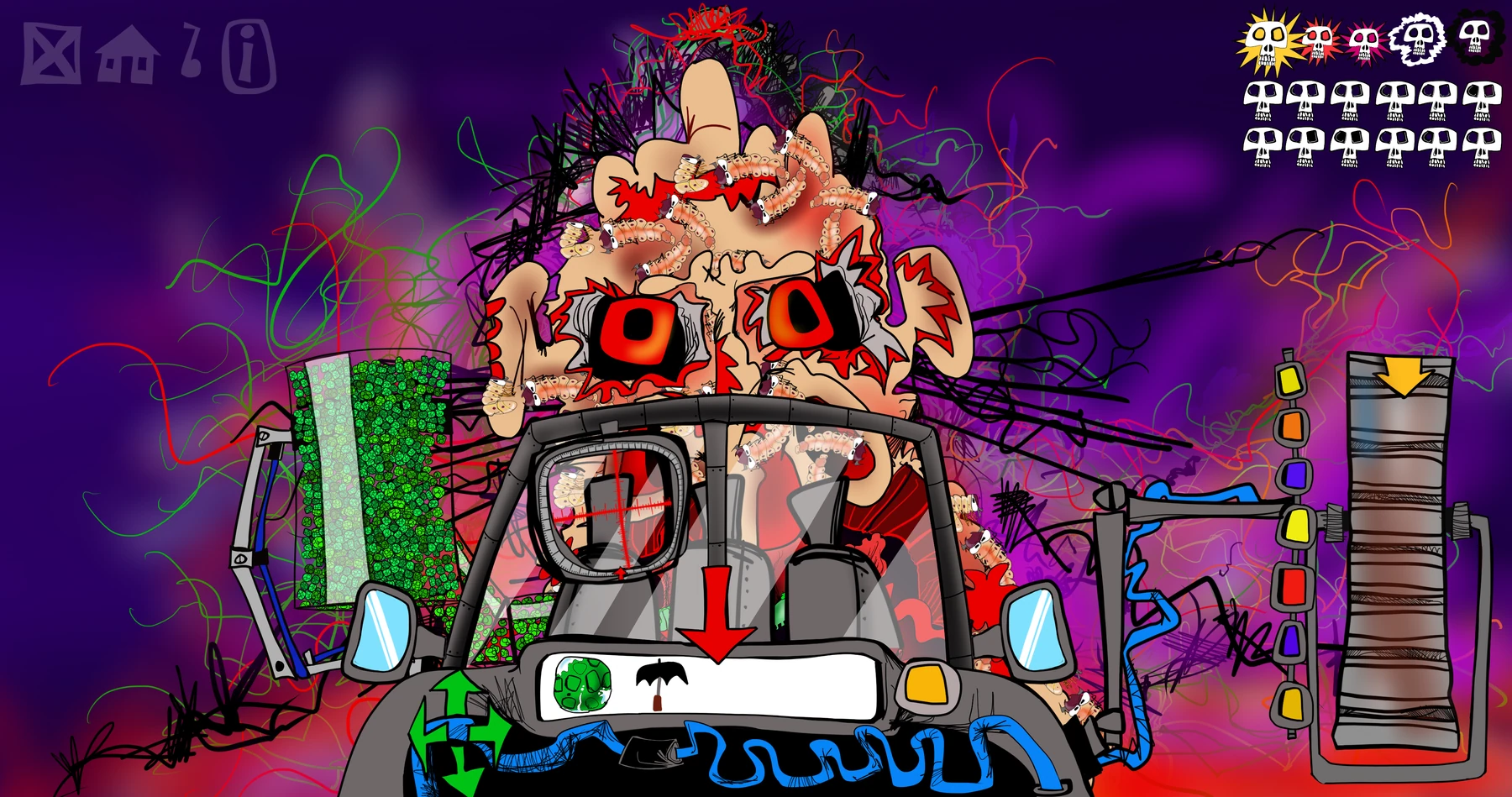
The wider design / Five movements
player
The Villain is a three-foot resurrectionist seen in silhouette: small enough to turn an emptied four-foot grave trench into shelter.
objective
In V1, rob Crookwood's graves from sunset to sunrise for body parts and loot to build your own little Frankenstein. He who dies with the most toys, wins.
stage Law
Each stage is a theatrical machine with a readable navigation hazard, harvestable things and a route toward the Bulge and Uncle Shrift's cottage.
economy
Donuts become energy; bodies and valuables become trade; Dogma judges deliberate misuse; JuJu carries remembered consequence without behaving like a running score.
persistence
Ordinary death spends a life, but tools, altered graves, harvested state and consequences can remain. The player returns without returning to innocence.
The player's hands
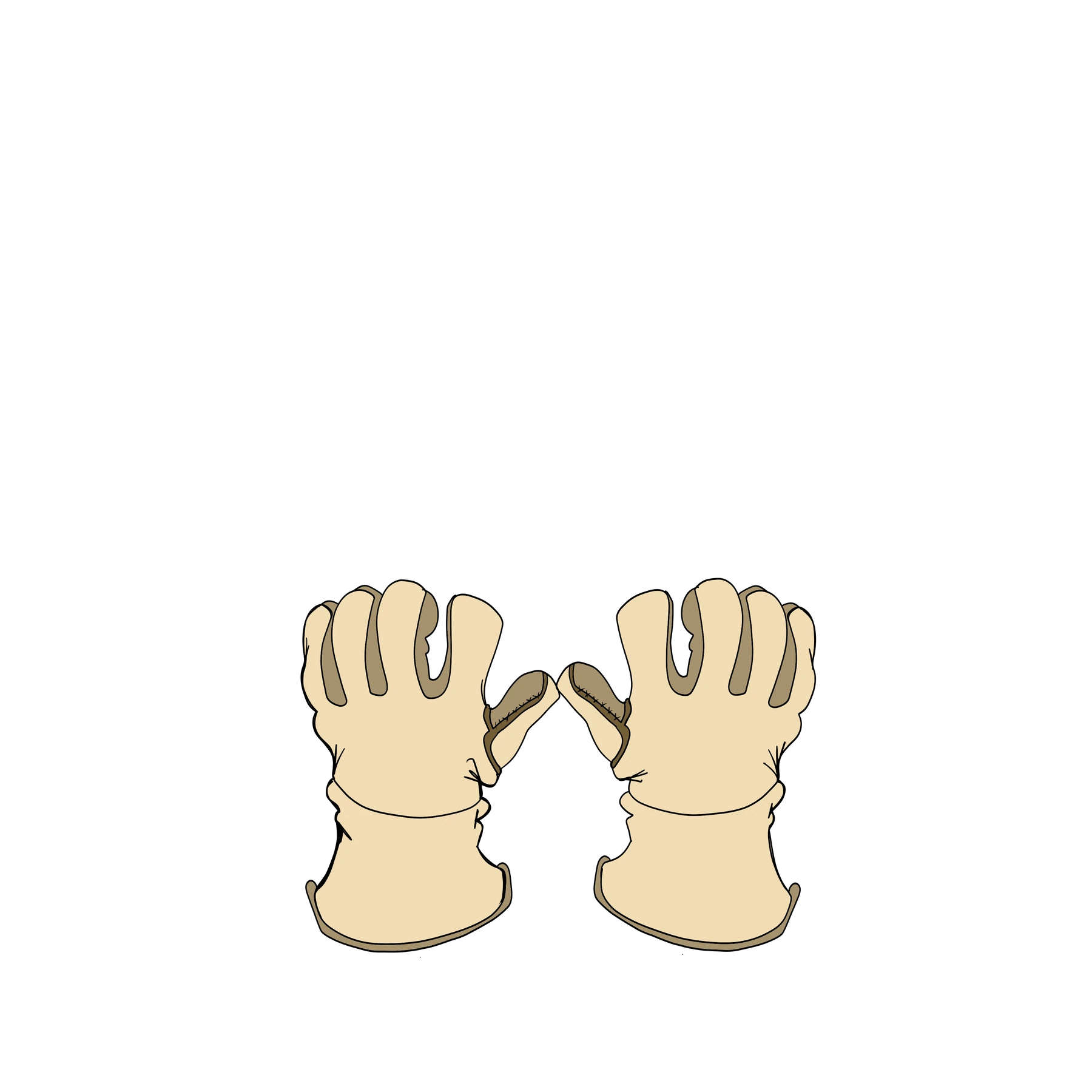
Swipe in the tool. Live with the result.
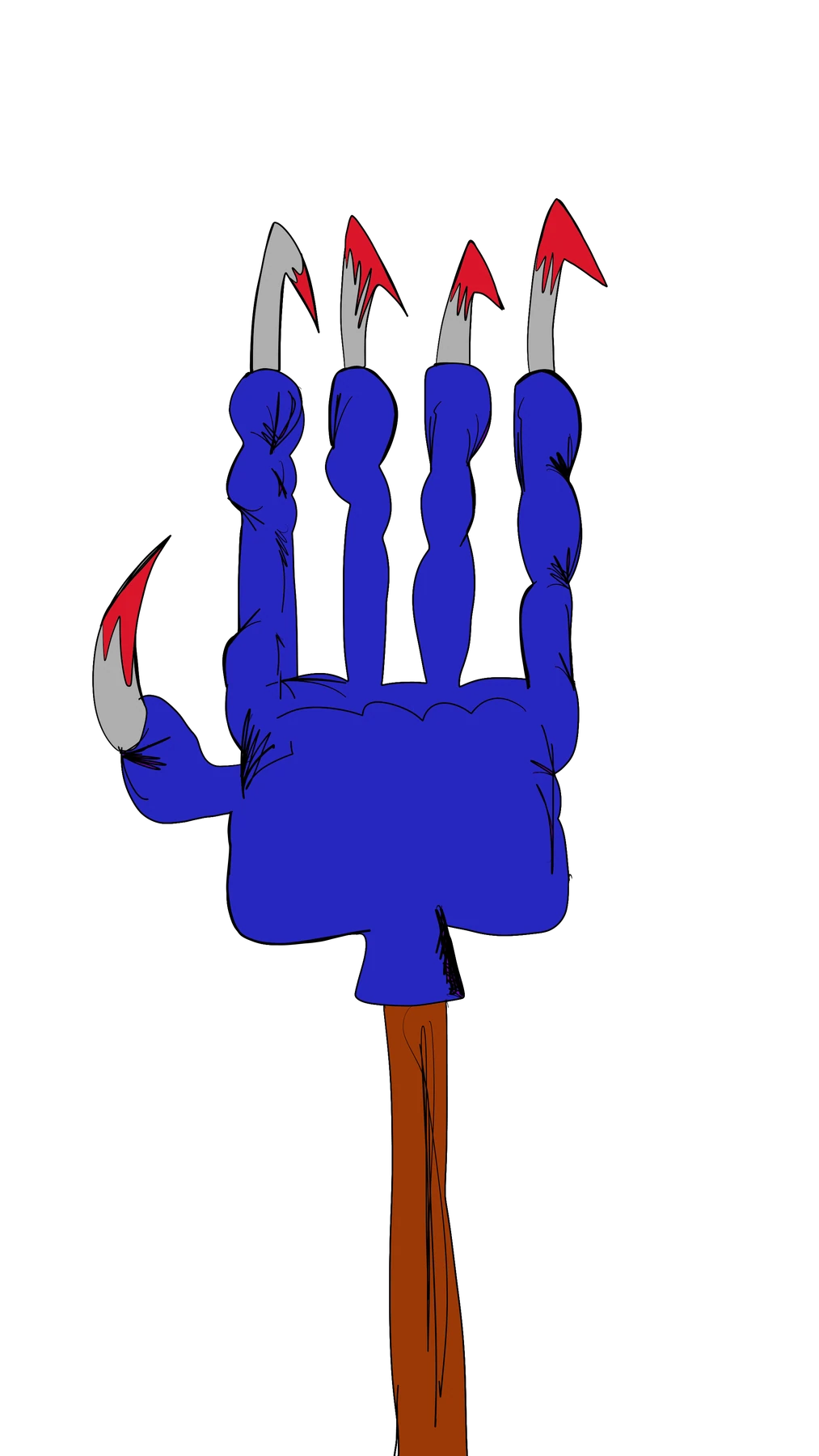
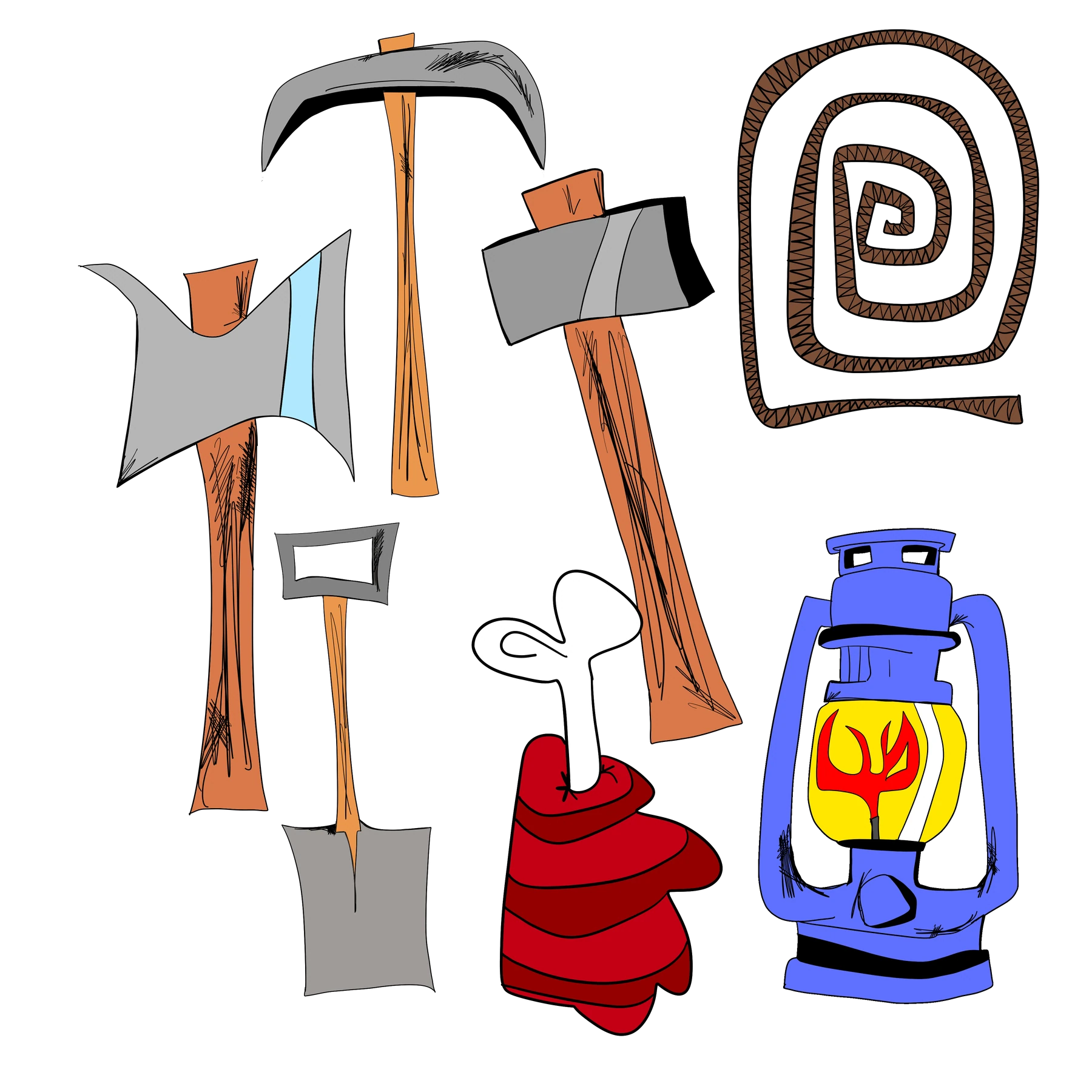
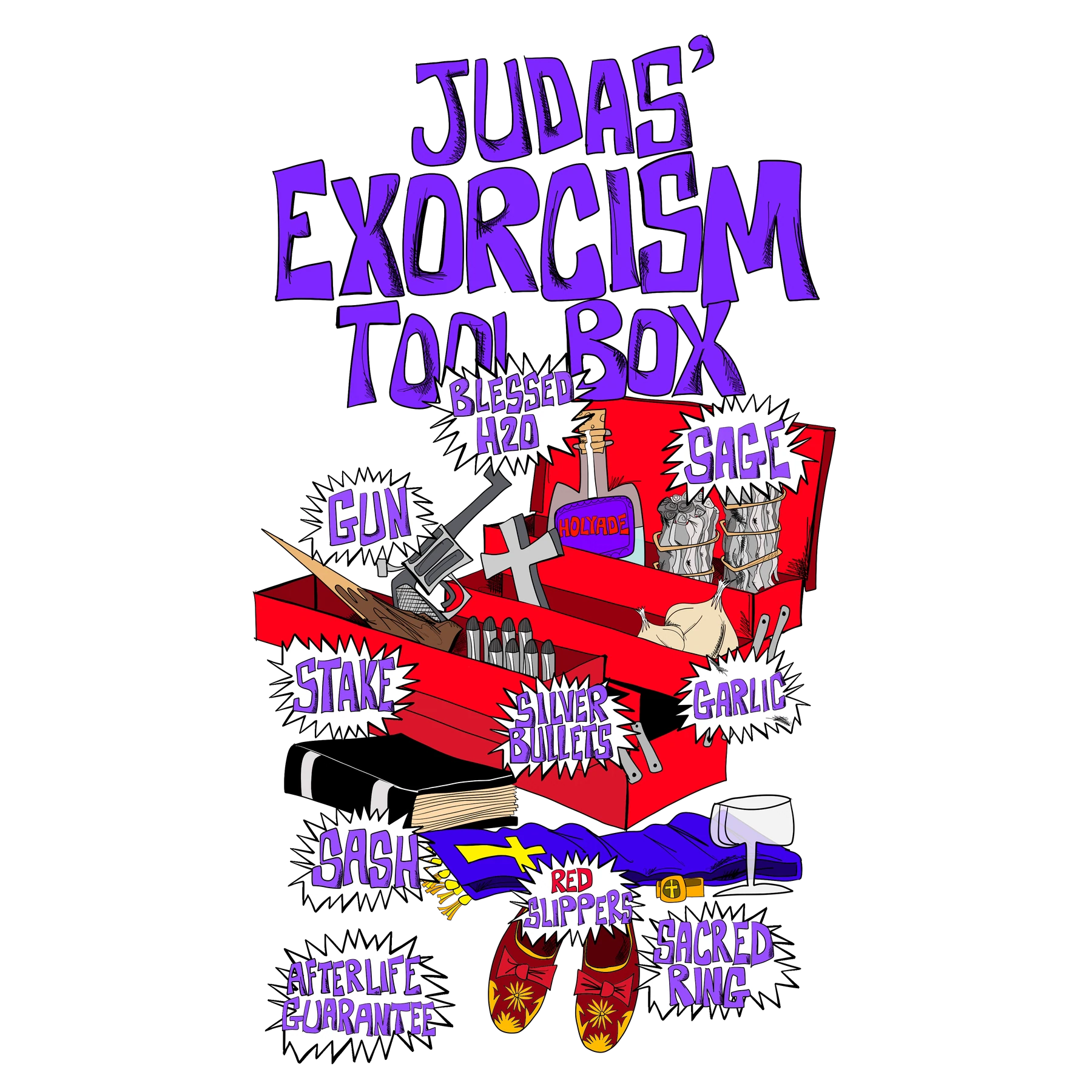
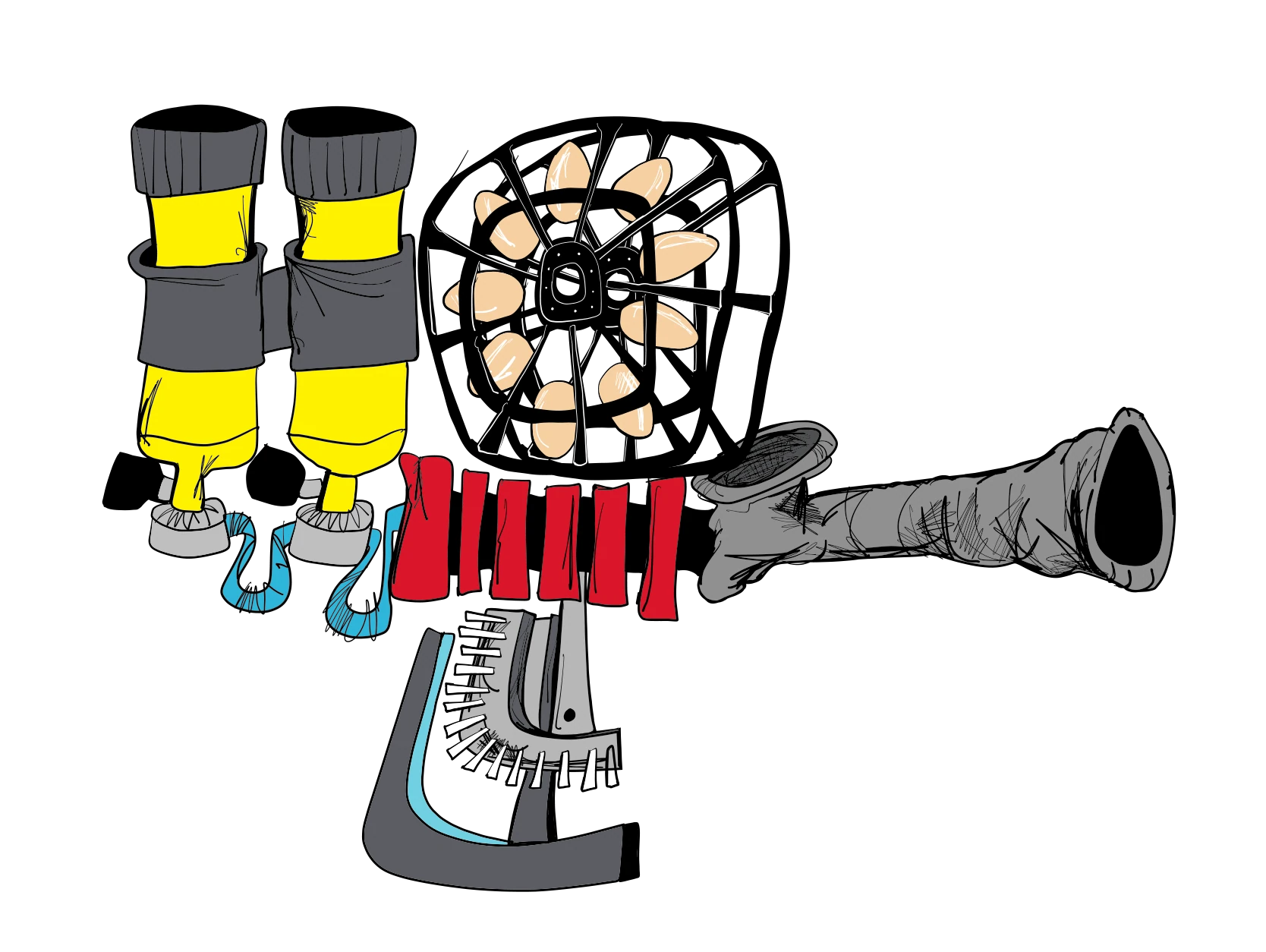
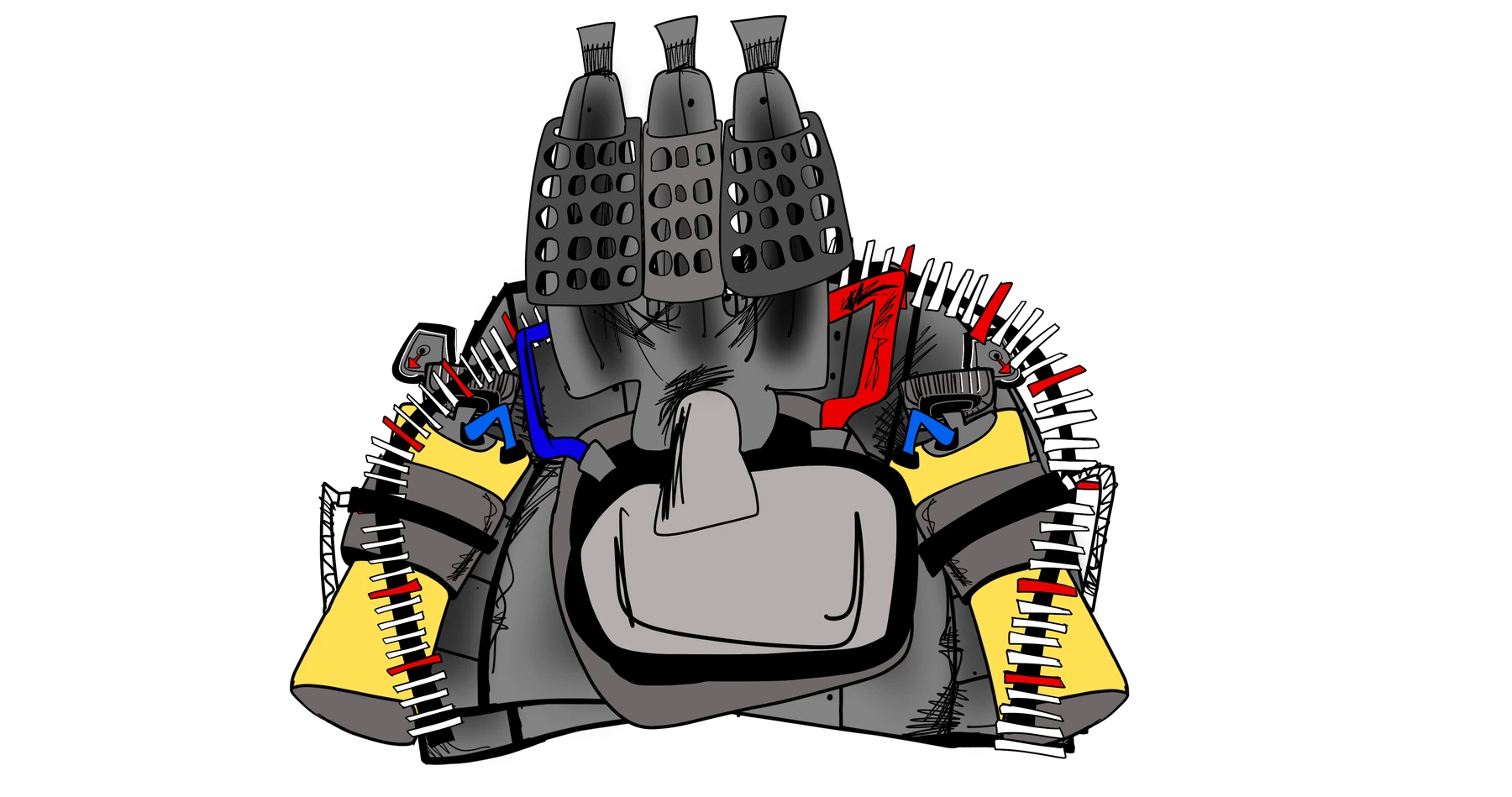
The interface is not a menu floating above Carny Island. Gloves, digging tools, exorcism gear and public-embarrassment weapons are the verbs of the performance.
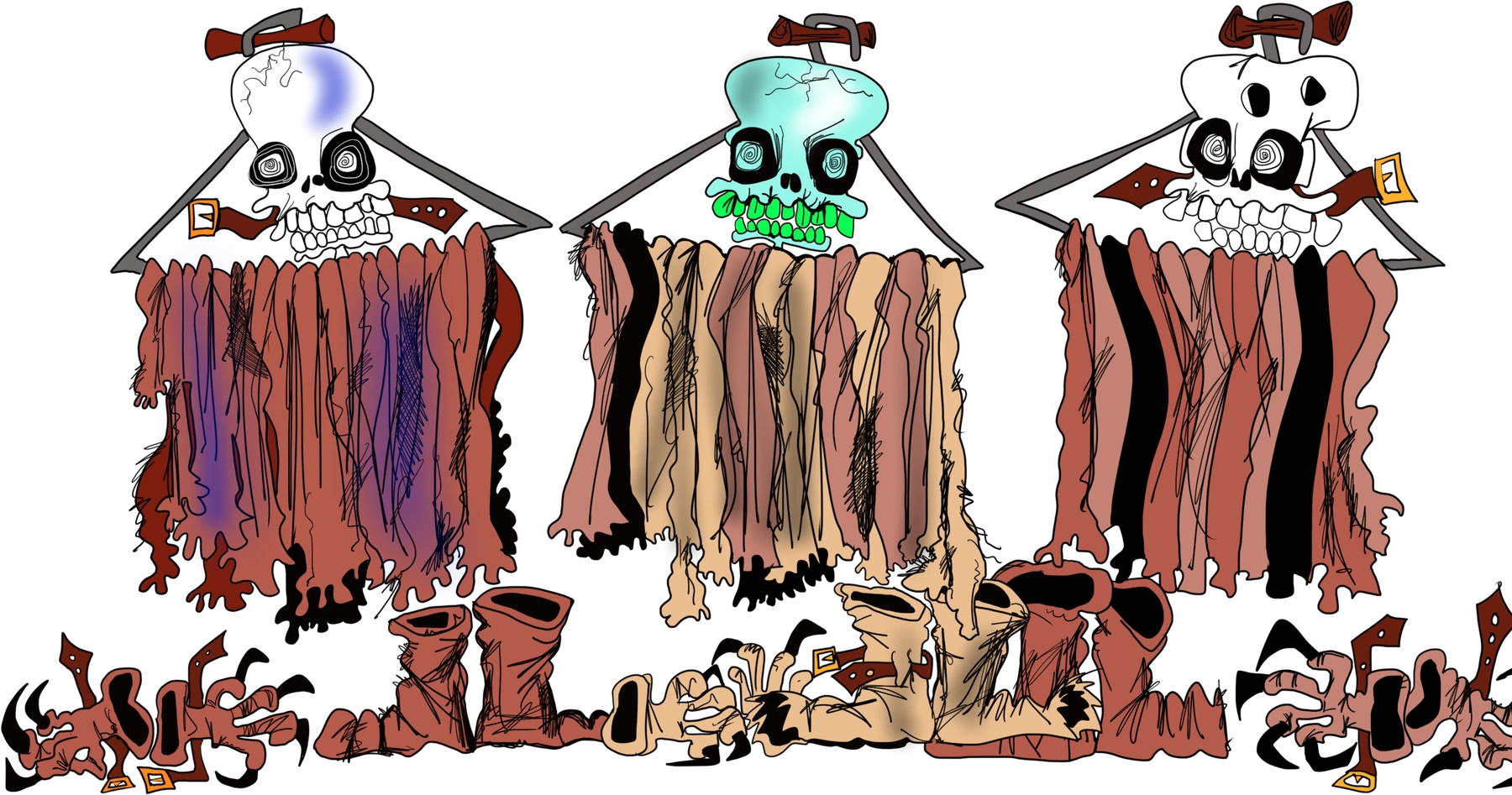
Re-animation wardrobe
What comes back needs something to wear.
The robbery does not end at the corpse. Bodies, parts and costumes carry the player's night forward into re-animation.
The three gears
A survival system. An excavation system. A judgement system.
Sugar
Donuts become energy. Energy makes action possible; depletion creates vulnerability and death.
Excavation
Each grave is a tactile sequence of touch, reveal, reward and consequence.
DOGMA
Dogma judges deliberate tool misuse through damage, excess and proportionality. JuJu remembers the player's sustained pattern without becoming a running score.
The law of dying
Death spends a life. It does not erase the deed.
Death spends one life and strips away immediate energy, but tools, harvested state and consequences can persist.
The ninth death ends the run and resets what the run law declares temporary.
The living theatre
The world outside changes the world inside.
New York time, KJFK weather, NOAA tides and the lunar calendar feed the theatre. The world outside the game changes the world inside it.
KJFK weather changes substrate and atmosphereNOAA tides inform the surrounding waterThe lunar calendar changes Shrift's behaviourNew York time remains authoritative
The philosophy underneath it
Systems before spectacle
The joke, shock or flourish must emerge from rules the player can understand. Spectacle is strongest when it has mechanical consequence.
Irreverence with structure
Nothing is sacred by default, but provocation is deliberate. Carny rejects random chaos and empty shock.
Death as resource
Death and the dead are inputs to the island's economy, memory and play—not merely a failure screen.
Cumulative escalation
Actions leave residue. Pressure builds, damage persists and the world remembers patterns rather than erasing them for convenience.
Later Mobile/Tabletop · Physical and digital belong together
In the later Mobile/Tabletop party game, the board and mobile phones form one game. Phones are playing pieces and video portals, so physical and screen-based play must obey the same world law.
Coherence over comfort
Continuity outranks novelty. The world may be hostile or absurd, but it cannot casually contradict its own laws.